


tech-nyc-ai-school-ban
Mamdani Halts Generative AI in NYC Public Schools
The one-year moratorium bars generative AI for over 600,000 students through the 8th grade across the nation’s largest public school district.
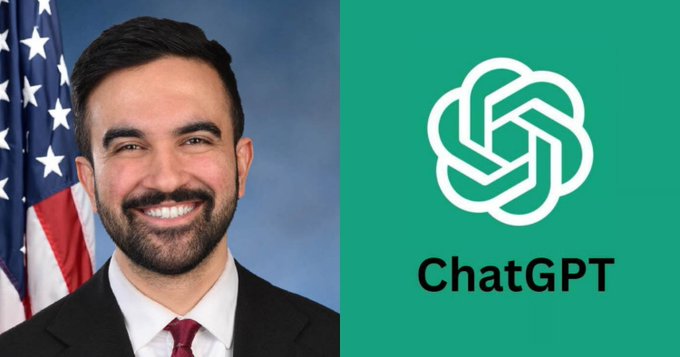
New York City Mayor Zohran Mamdani has enacted a historic one-year ban on generative AI for elementary and middle school classrooms.
Consequently, New York City has placed strict curbs on artificial intelligence across classrooms. Mayor Zohran Mamdani announced the sweeping policy alongside city education officials on Wednesday. Specifically, the directive establishes a full one-year moratorium on student-facing generative software. This historic decision officially impacts roughly 600,000 students in grades 2-K through eighth grade.

NYC AI School Ban Shields Younger Students
Specifically, the new NYC AI School Ban marks the most aggressive tech restriction nationwide. The policy blocks student access to generative tools like ChatGPT and Google Gemini. Mayor Mamdani emphasized that early childhood learning requires genuine human interaction between students and educators. In fact, city leaders rejected tech claims that early AI adoption remains necessary. Mamdani stated that no credible studies show educational benefits for young learners.
Additionally, the rules forbid student access to AI companion chatbots offering psychological support. Officials highlighted severe concerns regarding student mental health, cognitive development, and data privacy. Similar global conversations on artificial intelligence safeguards continue to escalate rapidly. For example, reports on AI Disinformation Could Undermine Polls illustrate widespread institutional caution against uncontrolled automated software. Meanwhile, public school leaders plan to study the long-term cognitive impacts over the coming year.
Stringent Device Rules and Screen Limits
Furthermore, the administration introduced rigorous digital device regulations to back the initiative. Schools must eliminate individual digital screens for children through the second grade. Therefore, young pupils will return entirely to physical books, paper, and face-to-face instruction. Furthermore, middle school grades face strict recommended caps on personal digital screen time. The city recommends 30 daily minutes for grades three through five.
Simultaneously, sixth through eighth graders face a recommended 45-minute daily screen ceiling. According to reporting by The Guardian, researchers raised alarms about childhood “cognitive surrender”. Many educational psychologists warned that relying on automated software damages organic problem-solving skills. As a result, grassroots parent groups praised the decisive curbs on commercial software. Several parents argued that big tech vendors merely seek to monetize classrooms.
High School Programs and Teacher Guidelines
However, high school students will operate under a vastly different regulatory system. Ninth through twelfth graders may interact with select tools under supervised pilot courses. Specifically, high school curricula will focus on technological literacy, algorithmic bias, and digital ethics. Students with learning disabilities will also retain vital exemptions for assistive software. International coverage by The Straits Times confirmed these strict parameters across all boroughs.
Meanwhile, teachers retain access to artificial intelligence for administrative and prep tasks. Educators may employ software to translate parent messages or structure complex lesson outlines. However, the city explicitly barred educators from using automated programs to grade papers. Extensive details covered by K-12 Dive confirm the city will enforce strict grading compliance. Consequently, human educators retain exclusive authority over assignments and classroom evaluation standards.
Looking Ahead Across American Classrooms
Ultimately, educational leaders nationwide will observe New York’s pioneering technology framework closely. School districts from California to Illinois currently balance tech adoption with cognitive welfare. Therefore, this bold step by the nation’s largest district may spur parallel policies. Indeed, school authorities emphasize that safeguarding young minds must take priority over corporate software. To conclude, New York aims to restore essential human connection in public education.




