


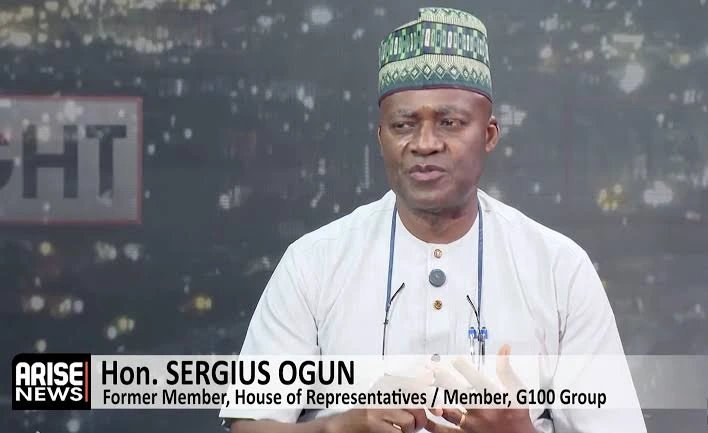
ABUJA, NIGERIA — Former lawmaker Sergius Ogun has questioned the whereabouts of the savings from fuel subsidy removal. He argued that Nigerians were still facing high petrol prices while the government continued to borrow.
Ogun made the remarks on Wednesday during a discussion on News Central TV. The discussion focused on the impact of fuel subsidy removal and the economic difficulties facing Nigerians.
The Missing Savings
He said Nigerians should see tangible benefits if the government was actually saving money. “But the biggest challenge is what is happening to the savings,” Ogun said.

He compared the situation before and after subsidy removal. He noted that Nigerians were previously paying a certain amount for petrol when the subsidy was in place. “When we were paying subsidy, look at what we were paying for petrol at the pumps. Now we are not paying. Look at how much we are paying. Where’s the savings?” he asked.
Continued Borrowing
According to Ogun, continued government borrowing had fuelled questions about whether the expected fiscal benefits of subsidy removal were reaching the wider economy.
“We are still borrowing like borrowing is going to go out of fashion. So, that’s why people are complaining,” he said.
The Exchange Rate Factor
Ogun then sought to place the discussion in what he described as the proper context. He argued that the exchange rate was a major factor affecting petrol prices.
“Just to put this in the right context, the challenge is actually the exchange rate,” he stated.
He referred to comparisons often made between petrol prices in Nigeria and the United States. In the US, fuel prices are influenced by international crude oil prices and currency values.
“People tell you a litre of petrol is a dollar in the US,” Ogun said.
Looking Back to 2014
He urged Nigerians to consider the exchange rate during the PDP administration in 2014 and 2015. This, he said, would help in assessing the current cost of petrol.
“Cast your mind back to the PDP era, 2014, 2015,” he added.
Ogun’s argument is that the exchange rate plays a significant role in determining the naira cost of petroleum products. Comparisons based only on the dollar price of petrol may not fully explain what Nigerian consumers pay.
Government’s Position
The issue of subsidy savings has remained a subject of public discussion. In July 2026, Finance Minister Taiwo Oyedele said savings from fuel and foreign-exchange reforms had largely gone towards debt servicing. He said the savings also went to higher workers’ wages, student loans, and other government obligations.
Analysts have questioned whether increased government revenue from economic reforms has translated into improved living standards. The naira’s depreciation and subsidy removal have been identified as factors increasing pressure on households.
What This Means
Ogun’s comments focused on two related issues. The first is what happened to the fiscal gains associated with subsidy removal. The second is how the exchange rate affects the price Nigerians pay for petrol.
He maintained that the public debate should take both factors into consideration. For now, the debate over subsidy savings and petrol prices continues. It is likely to remain a key issue as the 2027 elections approach.




