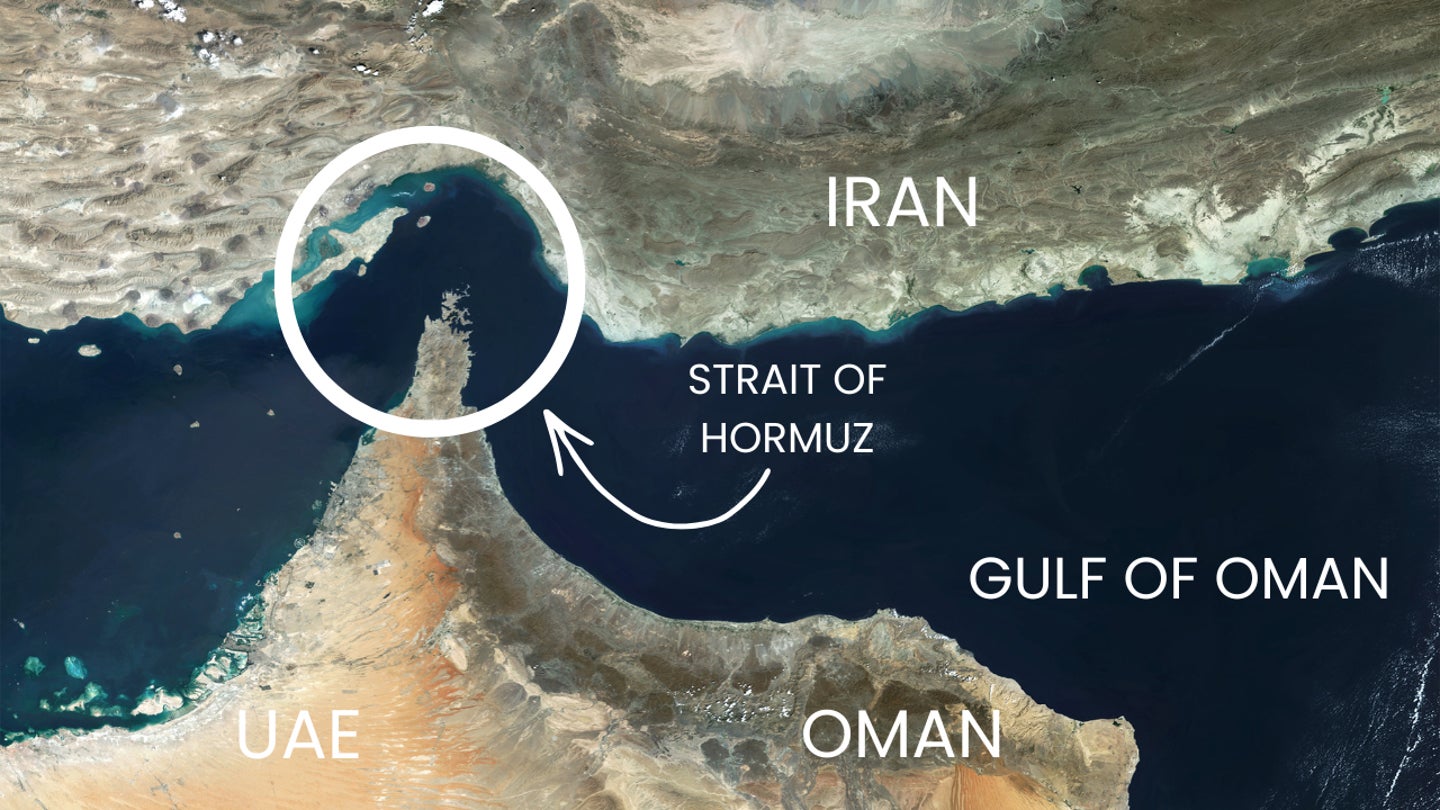
Global oil prices fell sharply on Wednesday after the United States and Iran reached a temporary ceasefire agreement that includes reopening the Strait of Hormuz, a critical route for global energy supplies.
Benchmark crude prices took a significant hit, with Brent dropping nearly 16 per cent to about $92 per barrel. US oil prices also declined by a similar margin.
Despite the drop, prices remain well above pre-conflict levels of around $70 per barrel before tensions escalated in late February.
The agreement, announced by Donald Trump, is tied to Iran allowing safe and immediate passage for oil tankers through the strait. Tehran, however, says it will only uphold the ceasefire if attacks on its territory stop.

The development triggered a wave of optimism across financial markets, particularly in Asia.
Japan’s Nikkei 225 rose by 4.5 per cent, while South Korea’s Kospi climbed 5.5 per cent in early trading.
Investors appeared relieved by signs that the conflict may ease, at least temporarily, after weeks of disruption to oil and gas supplies from the Middle East.
Even with the latest price drop, the impact of the crisis is still being felt globally.
Oil and gas markets had surged after Iran threatened to target vessels in the Strait of Hormuz in response to US and Israeli strikes.
The ripple effects have been especially severe in Asia, where many countries rely heavily on energy imports from the Gulf.
Some governments have already taken emergency measures to cope with rising fuel costs and supply shortages.
Airlines across the region have also responded by increasing fares and cutting flights due to higher jet fuel prices.
While the ceasefire has brought some relief to markets, analysts warn that the situation remains unstable.
The agreement is only temporary, and much will depend on whether both sides stick to their commitments in the coming days.
For now, markets are reacting to hope but uncertainty still hangs over the global energy outlook.