


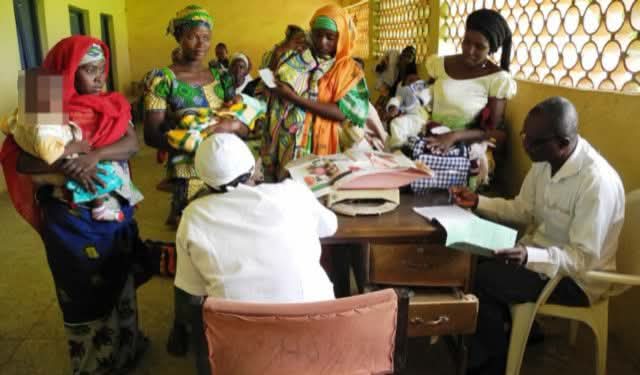
ABUJA, NIGERIA — A new assessment has revealed that only three per cent of primary healthcare centres across 16 states meet the minimum staffing requirements set by the National Primary Health Care Development Agency, with 97 per cent falling short of national standards in a damning indictment of Nigeria’s grassroots health system.
The report, titled “Staffing Gaps in Primary Healthcare Centres: A Nationwide Assessment,” was released on Sunday by the Nigeria Health Watch in collaboration with the NPHCDA and development partners. The assessment covered 1,200 primary healthcare centres across 16 states, selected to reflect Nigeria’s six geopolitical zones, and evaluated staffing levels against the NPHCDA’s minimum standards for primary care facilities.
According to the report, the NPHCDA requires each primary healthcare centre to have a minimum of five skilled health workers, including at least one midwife, one nurse, one community health extension worker, and two other health professionals. However, only three per cent of the facilities surveyed met this requirement, with most centres operating with one or two staff members, often community health extension workers with limited training.
Key Findings

The report found that staffing shortages were most acute in rural areas, where 89 per cent of primary healthcare centres had fewer than three skilled health workers. In some facilities, particularly in the North-East and North-West regions, there were no midwives at all, forcing pregnant women to travel long distances to secondary facilities for antenatal care and delivery. The absence of midwives in rural primary healthcare centres has been linked to Nigeria’s high maternal mortality rate, which currently stands at 1,047 deaths per 100,000 live births.
The assessment also revealed a significant disparity between urban and rural facilities. Urban primary healthcare centres had an average of 4.2 skilled health workers, compared to 1.8 in rural areas. The report noted that the shortage was exacerbated by the reluctance of health workers to accept postings to rural areas due to poor working conditions, lack of accommodation, and limited opportunities for career progression.
Causes of the Staffing Gap
The report identified several factors responsible for the staffing deficit, including inadequate funding for primary healthcare, poor human resource planning, and the migration of skilled health workers to developed countries. It noted that Nigeria has lost over 16,000 doctors to foreign countries in the past five years, a trend that has depleted the health workforce and left primary healthcare centres understaffed.
“Inadequate staffing at the primary healthcare level is one of the biggest obstacles to achieving universal health coverage in Nigeria. Without skilled health workers at the grassroots, we cannot deliver quality care to the majority of Nigerians who depend on primary healthcare centres,” said Dr. Ngozi Okpanachi, a public health expert who contributed to the report.
Recommendations
The report recommended urgent measures to address the staffing gap, including increased funding for primary healthcare, improved remuneration and incentives for rural postings, and expanded training programmes for community health extension workers. It also called for the establishment of a national health workforce registry to track staffing levels and facilitate equitable deployment of health workers.
Dr. Amina Ahmed, a maternal health expert, said the findings underscored the need for urgent government action. “The fact that 97 per cent of our primary healthcare centres are understaffed is unacceptable. This is a crisis that requires immediate intervention. We cannot continue to lose mothers and children to preventable causes because there are no skilled health workers to attend to them,” she said.
The NPHCDA said it had received the report and would work with state governments to address the identified gaps. The agency noted that the Federal Government had recently approved the recruitment of additional health workers under the Primary Health Care Revitalisation Programme, and that efforts were underway to improve infrastructure and equipment at primary healthcare centres nationwide.
The report’s findings have sparked calls for a review of Nigeria’s approach to primary healthcare delivery, with experts arguing that increased investment in human resources at the grassroots level is essential to achieving universal health coverage. For now, the report serves as a grim reminder of the challenges that lie ahead in Nigeria’s quest to provide quality healthcare for all its citizens.




