


 Telecom giant Orange is rolling out 15,000 solar base stations across rural Africa to slash grid energy costs and connect millions to mobile money portals.
As of today, Orange is expanding its renewable energy footprint across the Middle East and Africa. The company plans to install 15,000 fully solar-powered base stations over three years. This ambitious network targets remote areas where the national power grid frequently fails. The vast expansion connects isolated communities directly to the modern digital economy.
How 15,000 Solar Towers Target the Usage Gap in Africa
To put it plainly, operating rural telecom sites is expensive today. Companies traditionally spend huge sums on diesel fuel to keep remote signals active. Trucks must navigate terrible roads to refill loud generators weekly. This harsh reality forces operators to ignore distant villages entirely. Orange intends to destroy this model.
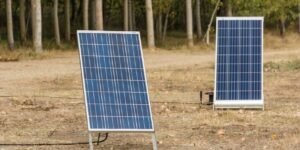
As a result, the operator is shifting completely to solar power for off-grid communities. The firm is actively building advanced arrays across multiple African nations. These high-tech panels run transmission masts without constant fuel deliveries. They capture intense sun and store the energy in massive batteries. This lowers cell tower costs.

Furthermore, these new solar sites will serve people in 18 different countries. The company already commands a massive base of 170 million customers across these regions. Now, executives want to push high-speed 4G coverage to 85 percent of citizens. They view green towers as the only way to reach that goal. Millions will finally experience internet.
Why AI and Solar Are Slashing Downtime by 45 Percent
Even so, depending solely on solar panels carries serious risks for any telecom firm. Panels cannot generate maximum power during three days of heavy rain. Orange solved this problem by partnering directly with global technology giant Huawei. They added complex artificial intelligence to the energy management system. This software acts as a brilliant brain for towers.
Therefore, the smart network predicts local weather and adjusts power usage automatically. It constantly monitors historical traffic patterns and compares them with upcoming weather forecasts. The system accurately learns when to save battery life for an approaching storm. It tracks when people make calls and sleep. The tower throttles non-essential energy use before bad weather hits.
This means that the system drastically cuts the time a tower spends offline. The precise control software drops tower downtime by an impressive 45 percent. Engineers no longer need to rush to remote sites to restart dead batteries. The intelligent tower fixes its own power issues before they cause an outage. Customers enjoy stable signals that survive rain.
“Our key challenge in rural locations is power consumption and keeping these sites working.” Mamadou Coulibaly, Deputy CEO and COO, Orange Côte d’Ivoire
How This Move Locks In Orange’s Mobile Banking Ambitions
Meanwhile, this huge infrastructure project is not just about making cheap phone calls. Orange makes significant yearly revenue from its mobile financial platform known as Max It. This super app allows users to send money and pay utility bills easily. However, a person cannot use a banking app without a mobile signal. Building cheaper towers acquires millions of banking customers.
To be specific, Orange is expanding its network aggressively in the Democratic Republic of Congo. They signed a joint venture with Vodacom to share mobile infrastructure there. The two rivals will build 2,000 solar towers in the dense rainforest. This partnership will reach 19 million disconnected people. Sharing costs makes the project viable.

What is more, a stable internet connection transforms a rural village entirely. Reliable power turns an isolated farmer into an active digital shopper within minutes. Small businesses can process payments using mobile phones instead of risky cash. The telecom company becomes the center of the economy. Every solar tower acts as a bank branch for the community.
Ultimately, these smart towers rewrite the math of rural telecommunications forever. Orange has proven that green energy can easily replace costly diesel logistics. Expect rival operators to quickly copy this highly efficient network model now. The urgent global race to dominate Africa’s remote digital markets has only just begun.




