


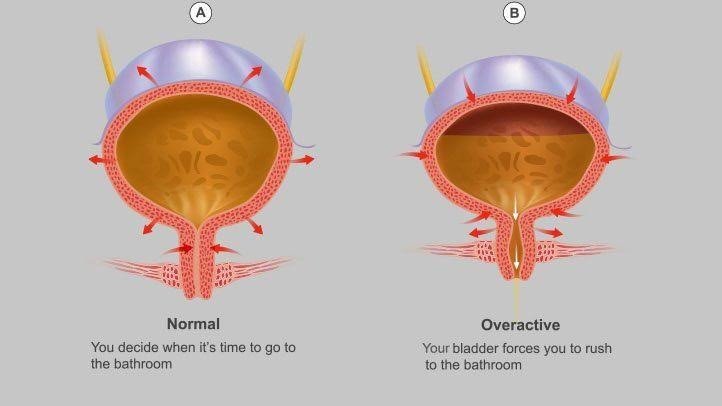
Overactive bladder (OAB) is a common condition that causes a sudden and frequent urge to urinate, even when the bladder is not full. In many cases, the urge is difficult to control and may lead to accidental urine leakage. Although overactive bladder is not a normal part of ageing, it becomes more common with increasing age and can significantly affect quality of life.
Health experts say many people delay seeking treatment because they feel embarrassed, yet effective lifestyle changes, medications, and medical procedures are available to manage the condition.
What Is an Overactive Bladder?
The bladder is a muscular organ that stores urine until it is convenient to urinate.
In people with overactive bladder, the bladder muscles contract unexpectedly, sending urgent signals to the brain even when the bladder contains only a small amount of urine.

This results in a sudden, difficult-to-control urge to urinate.
Common Symptoms
The hallmark symptoms of overactive bladder include:
- A sudden, intense urge to urinate that is difficult to delay.
- Frequent urination, often more than eight times in 24 hours.
- Waking up two or more times during the night to urinate (nocturia).
- Urge urinary incontinence, where urine leaks before reaching the toilet.
Some people experience urgency without urine leakage, while others experience both.
What Causes an Overactive Bladder?
In many cases, the exact cause cannot be identified.
However, overactive bladder may be associated with:
- Age-related changes in bladder function.
- Neurological disorders such as stroke, Parkinson’s disease, or multiple sclerosis.
- Diabetes.
- Urinary tract infections.
- Bladder stones.
- Enlarged prostate in men.
- Certain medications that increase urine production.
- Excessive caffeine or alcohol consumption.
Treating the underlying cause may improve symptoms.
Who Is Most at Risk?
The risk of overactive bladder is higher in:
- Older adults.
- People with diabetes.
- Individuals with neurological conditions.
- Men with an enlarged prostate.
- Women after menopause.
- People who are overweight or obese.
However, overactive bladder can occur at any age.
How Is Overactive Bladder Diagnosed?
A healthcare provider may recommend:
- A review of your medical history and symptoms.
- A physical examination.
- A urine test to rule out infection.
- A bladder diary to record fluid intake and urination patterns.
- Ultrasound to assess bladder emptying.
- Urodynamic tests in selected cases to evaluate bladder function.
These tests help identify the cause of symptoms and guide treatment.
Treatment Options
Treatment usually begins with conservative measures before medications or procedures are considered.
Lifestyle Changes
Many people benefit from:
- Reducing caffeine and alcohol intake.
- Limiting fluids before bedtime.
- Maintaining a healthy weight.
- Managing constipation.
- Stopping smoking.
Bladder Training
Bladder training involves gradually increasing the time between bathroom visits to improve bladder control.
Pelvic Floor Exercises
Strengthening the pelvic floor muscles through exercises such as Kegels can improve bladder control and reduce urine leakage.
Medications
Doctors may prescribe medications that relax the bladder muscles and reduce urgency and frequency.
Advanced Treatments
For symptoms that do not improve with medication, treatment options may include:
- Botulinum toxin (Botox) injections into the bladder.
- Nerve stimulation therapies.
- Surgery in rare cases.
When Should You See a Doctor?
Seek medical advice if you:
- Frequently experience sudden urges to urinate.
- Leak urine regularly.
- Wake several times each night to urinate.
- Notice blood in your urine.
- Have pain during urination or recurrent urinary tract infections.
These symptoms may indicate another underlying condition that requires treatment.
Can Overactive Bladder Be Prevented?
While not all cases can be prevented, you can lower your risk by:
- Maintaining a healthy weight.
- Staying physically active.
- Limiting caffeine and alcohol.
- Managing diabetes effectively.
- Performing regular pelvic floor exercises.
- Seeking prompt treatment for urinary tract infections.
The Bottom Line
Overactive bladder is a common but treatable condition that causes frequent urination, sudden urgency, and, in some cases, urine leakage. Although it can affect daily activities and quality of life, early diagnosis and appropriate treatment can significantly improve symptoms. Lifestyle changes, bladder training, medications, and advanced therapies allow many people to regain confidence and better bladder control.
Disclaimer: This article is for informational purposes only and should not replace professional medical advice. Anyone experiencing persistent urinary urgency, frequency, or incontinence should consult a qualified healthcare professional for proper evaluation and personalised treatment.




