


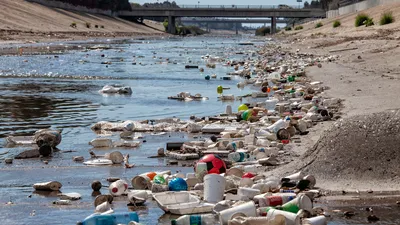
Pollution refers to the introduction of harmful substances known as pollutants into the environment at a pace faster than nature can safely absorb, disperse, or break them down. While certain natural events such as volcanic eruptions or wildfires can release pollutants, modern pollution is largely driven by human activities. Industrial production, transportation systems, agricultural practices, and improper waste disposal have significantly increased the scale and intensity of environmental contamination worldwide.
Today, pollution is recognised as one of the most serious global challenges, affecting not only ecosystems but also public health and economic stability across both developed and developing nations.
Global Impact of Pollution
Threat to Human Health
Pollution poses a major risk to human life, with air pollution alone linked to an estimated 7 to 9 million premature deaths each year. Exposure to polluted air contributes to severe health conditions such as stroke, heart disease, chronic respiratory illnesses, and lung cancer. In many urban and industrial areas, poor air quality has become a silent killer, disproportionately affecting children, the elderly, and low-income populations.

Environmental Degradation
Beyond its health effects, pollution is a key driver of environmental damage. Harmful emissions contribute to climate change by increasing greenhouse gas concentrations, leading to rising global temperatures and extreme weather events. Pollutants also cause acid rain, which damages forests, soils, and water bodies, while chemical contamination and habitat destruction accelerate biodiversity loss and threaten wildlife survival.
Economic Burden
The economic cost of pollution is immense. Health care expenses, reduced labour productivity, environmental clean-up efforts, and loss of natural resources collectively cost the global economy an estimated $6 trillion annually approximately five percent of global Gross Domestic Product (GDP). These losses place a heavy strain on national budgets and slow sustainable development, particularly in vulnerable economies.
Primary Types of Pollution
Air Pollution
Air pollution arises mainly from the burning of fossil fuels in vehicles, power plants, and factories. It releases harmful gases and fine particles into the atmosphere. Key pollutants include carbon monoxide, sulfur dioxide, nitrogen oxides, and particulate matter, all of which can penetrate deep into the lungs and bloodstream, causing serious health complications.
Water Pollution
Water pollution occurs when harmful substances such as industrial chemicals, untreated sewage, agricultural runoff, and plastic waste enter rivers, lakes, and oceans. This contamination threatens aquatic life, disrupts ecosystems, and endangers human populations that rely on clean water for drinking, fishing, and agriculture.
Land and Soil Pollution
Soil pollution results from improper waste disposal, industrial spills, mining activities, and excessive use of pesticides and fertilizers. These pollutants seep into the ground, reducing soil fertility, contaminating food crops, and posing long-term risks to human health through the food chain.
Energy-Based Pollution
Energy-based pollution includes noise pollution from traffic, construction, and industrial operations; light pollution caused by excessive artificial lighting at night; and thermal pollution, which involves harmful changes in water temperature due to industrial discharges. Although often overlooked, these forms of pollution disrupt ecosystems, affect human well-being, and interfere with natural biological processes.
A Call for Sustainable Action
As pollution continues to intensify, experts stress the urgent need for coordinated global action. Strong environmental regulations, cleaner energy sources, sustainable industrial practices, and increased public awareness are critical to reducing pollution levels. Without decisive intervention, pollution will remain a growing threat to human survival, environmental balance, and economic progress worldwide.



 and then