


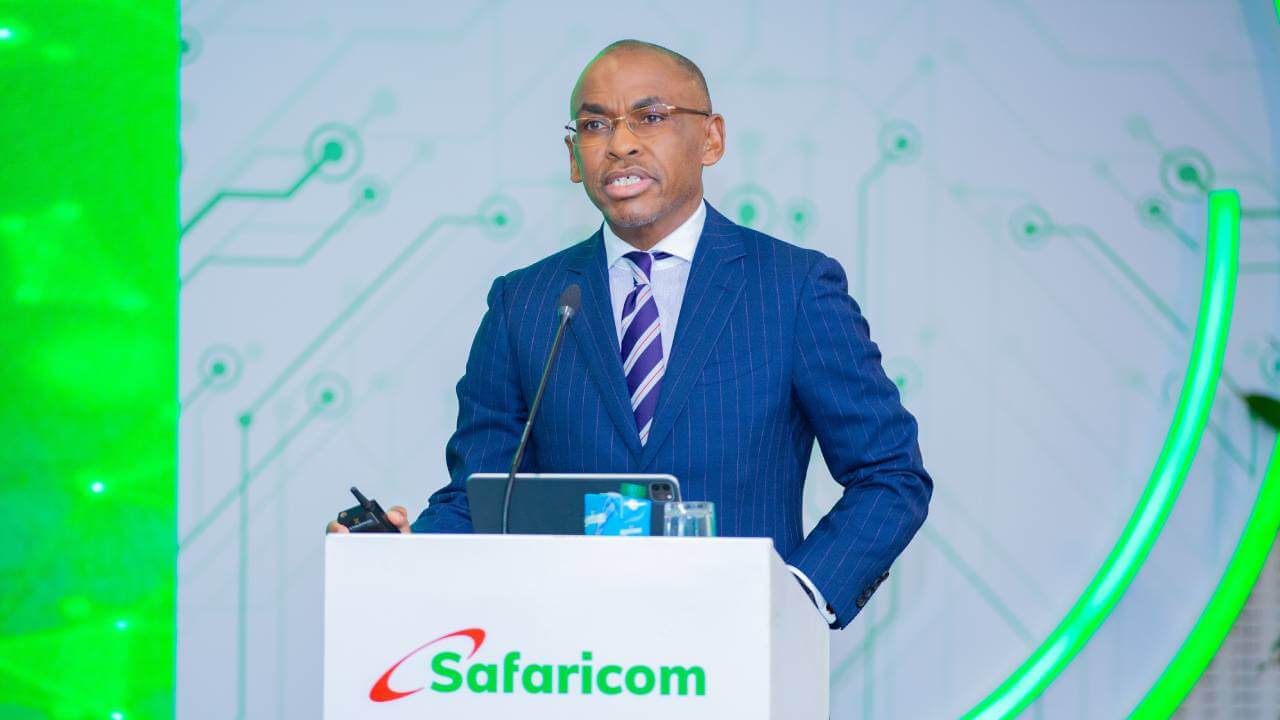
Safaricom dismissed 118 employees for fraud-related offences and recovered KSh953 million in inflated agent commissions during FY26.
Safaricom dismissed 118 employees during the financial year ended March 31, 2026, after internal investigations into fraud and misconduct. The number rose from 113 in the previous year as Kenya’s largest telecoms operator strengthened controls across its network and M-PESA mobile-money ecosystem. The company also recovered KSh953 million, or about $7.34 million, linked to inflated agent commissions. The disclosures appear in Safaricom’s 2026 Sustainable Business Report.
Safaricom increases fraud enforcement
The dismissed employees were linked to offences including theft, falsification of company records, unauthorised access to customer call records, security breaches and other criminal conduct. Safaricom also issued three disciplinary warnings and referred 14 cases to law-enforcement agencies. The referrals doubled from seven in the previous financial year.
The figures show that the company’s response combines internal discipline with possible criminal proceedings.  Safaricom’s 2026 Sustainable Business Report says employees may face dismissal when their conduct breaches workplace obligations or amounts to gross misconduct. The report does not identify the employees or provide case-by-case details.
M-PESA commissions lead to recovery
Safaricom said proactive monitoring and analytics helped it recover KSh953 million connected specifically to inflated agent commissions. The company did not disclose how many agents were involved, how the commissions were manipulated or how long the activity continued.  Kenyan Wall Street’s report said the recovery highlights the difficulty of protecting a mobile-money network that handles transactions worth trillions of shillings.
M-PESA processed 46.4 billion transactions valued at KSh41.6 trillion during FY26. Its 30-day active customer base grew to 41.7 million, up from 35.8 million a year earlier. That scale makes fraud prevention central to customer confidence and to the wider financial system, where M-PESA supports payments, transfers, credit and merchant services.
Social engineering remains a key threat
Safaricom identified physical social engineering as the leading fraud threat affecting subscribers. Social engineering involves manipulating people into revealing information or approving actions that enable theft. The company said customer complaints and its fraud-management system can trigger investigations.
Once a case is flagged, a manager or the Ethics and Compliance team reviews the allegations. Investigators recommend whether the issue should be handled informally or through a formal disciplinary process. A disciplinary committee then decides whether the outcome should be a warning, dismissal or referral to law enforcement.
Technology supports fraud controls
Safaricom has introduced technical measures alongside its investigations. Security application programming interfaces under Daraja 3.0 support fraud detection, prevention and identity verification. The company’s Fintech 2.0 upgrade also strengthened real-time transaction monitoring across its financial technology platforms.
The operator reported an 82% reduction in fraud incidents during FY26, although that fell short of its 90% target. It also recovered 46% of reported fraud losses. Safaricom’s anti-fraud work comes as the company expands its digital services and faces closer scrutiny of financial-crime controls in Kenya.
For related coverage about protecting customers from risks linked to digital tools, Diaspora Digital Media published  “Bank of America Warns Customers Not to Share Banking Passwords With AI Assistants”.
Safaricom links trust to growth
The telecoms company says stronger digital trust is part of its broader business strategy. Its 2026 report also records growth in network infrastructure, environmental programmes and its workforce. Safaricom employed 5,648 people in FY26, with women representing 49.9% of permanent staff.
“Our 2026 report reflects the value created across our business, communities and the environment, while outlining the work ahead: responding to rising energy demand, reducing value-chain emissions and strengthening digital trust.” — Peter Ndegwa, Group CEO, Safaricom
The report also places the crackdown within a wider regional compliance environment. Kenya’s placement on the Financial Action Task Force grey list has increased attention on controls against money laundering and other financial crimes. For Safaricom, that means protecting customers while showing regulators that its systems can detect, investigate and report suspicious activity.
Ultimately, Safaricom’s dismissals show how internal controls are becoming more important as mobile money grows. The company is combining staff discipline, law-enforcement referrals, transaction monitoring and customer safeguards. Its next challenge will be maintaining trust while M-PESA adds more users, merchants and financial services. Continued transparency about fraud trends and recoveries will help customers judge whether those controls are working.




