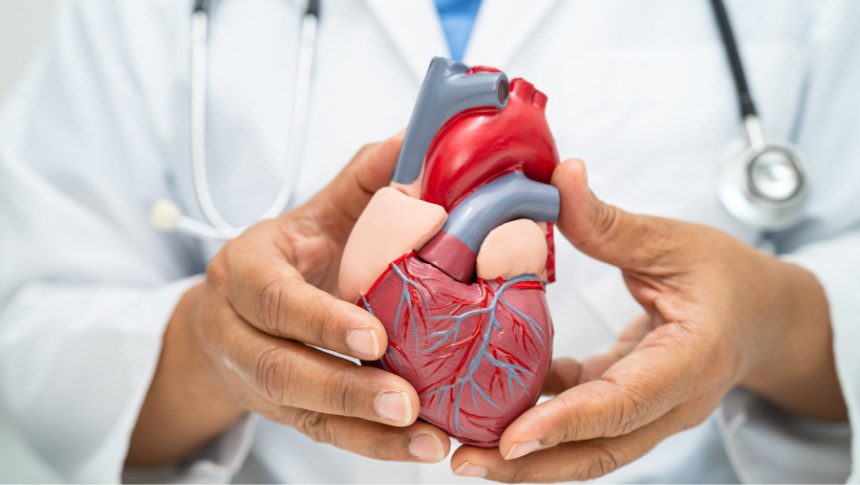
Heart disease remains one of the leading causes of death worldwide, yet many people fail to recognise its early warning signs. Conditions affecting the heart and blood vessels, broadly known as Cardiovascular Disease, often develop gradually, with subtle symptoms that are frequently overlooked or mistaken for minor health issues.
Health experts warn that ignoring these warning signs can delay diagnosis and treatment, increasing the risk of severe complications such as Heart Attack or Stroke. Recognising the early symptoms can significantly improve outcomes and help prevent life-threatening events.
Below are some of the most commonly ignored signs of heart disease.
1. Unusual Fatigue
Persistent or unexplained fatigue is often dismissed as stress or lack of sleep. However, extreme tiredness especially when performing routine activities can signal that the heart is struggling to pump enough blood to meet the body’s needs.

Women, in particular, may experience severe fatigue weeks before a cardiac event.
2. Shortness of Breath
Difficulty breathing during normal activities such as walking, climbing stairs, or lying down can be a sign that the heart is not pumping efficiently. When the heart cannot circulate blood properly, fluid may build up in the lungs, causing breathlessness.
Many people attribute this symptom to aging or poor physical fitness, but it can indicate underlying heart problems.
3. Mild Chest Discomfort
While intense chest pain is widely recognised as a symptom of heart attack, many people experience only mild discomfort, pressure, tightness, or a burning sensation in the chest.
This symptom is sometimes mistaken for indigestion or muscle strain, leading people to ignore it until the condition worsens.
4. Pain in Other Parts of the Body
Heart-related pain does not always remain in the chest. It can spread to the shoulders, arms, neck, jaw, or back. This type of pain can come and go, making it easy to overlook.
Pain radiating to the left arm or jaw is particularly associated with heart problems.
5. Swelling in the Legs, Ankles, or Feet
Swelling in the lower limbs may occur when the heart cannot pump blood effectively, causing fluid to accumulate in body tissues. This symptom can indicate Heart Failure, a condition where the heart struggles to circulate blood properly.
People often mistake this swelling for minor fluid retention or standing for long periods.
6. Dizziness or Lightheadedness
Feeling dizzy, faint, or lightheaded can occur when the brain does not receive enough oxygen-rich blood due to heart problems. In some cases, it may be linked to abnormal heart rhythms, also known as Arrhythmia.
Frequent dizziness should never be ignored.
7. Nausea or Indigestion
Some people experience nausea, stomach discomfort, or symptoms resembling acid reflux during heart problems. Because these symptoms mimic digestive issues, they are often dismissed as harmless.
However, persistent or unexplained digestive discomfort may sometimes signal a heart condition.
8. Irregular or Rapid Heartbeat
A fluttering or racing sensation in the chest may occur when the heart beats irregularly. Occasional palpitations are common, but frequent episodes may indicate an underlying heart disorder.
Monitoring such symptoms and seeking medical evaluation is essential.
Protecting Your Heart
Early detection plays a crucial role in preventing serious complications from heart disease. Experts recommend maintaining a healthy lifestyle, including regular exercise, balanced nutrition, avoiding tobacco, managing stress, and undergoing routine medical check-ups.
Anyone experiencing persistent or unusual symptoms should seek medical attention promptly, as early intervention can significantly reduce the risk of severe heart conditions and improve long-term health outcomes.