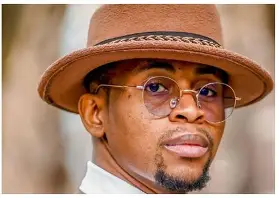
Nigerian media personality Solomon Buchi has come under the spotlight after publicly criticizing popular interviewer Egungun of Lagos. The criticism comes in the wake of Egungun’s widely discussed interview with international streamer iShowSpeed, which many felt lacked depth and substance.
In a scathing statement, Buchi said, “Just because you’re popular for interviewing BBL Snapchat ladies, asking silly questions, and shouting ‘that’s massive,’ doesn’t mean you have the intellectual capacity to conduct a good interview.” He further emphasized that popularity does not equate to professionalism or skill in journalism.
The comment has reignited debates about the quality of online interviews and the responsibility of content creators. While Egungun has a large following due to his humorous and casual interview style, critics argue that such approaches often sacrifice meaningful conversation and fail to extract insightful responses from high-profile guests.
Social media reactions have been mixed. Some users agree with Buchi, praising him for calling out what they see as low-quality content and encouraging better standards in Nigerian media. Others defend Egungun, arguing that his style is meant to entertain rather than conduct serious journalism.
Media experts suggest that the controversy underscores a broader issue in the industry. With the rise of social media influencers doubling as interviewers, the lines between entertainment and professional journalism have blurred. Dr. Ifeoma Nwosu, a media analyst, notes, “Engaging interviews require preparation, critical thinking, and respect for the guest’s expertise. Popularity and a large following do not replace these essential skills.”

The discussion also highlights the growing influence of international content creators like iShowSpeed visiting Nigeria. Analysts say that how Nigerian media personalities handle such interviews can affect the country’s global perception in entertainment and digital media.
As this debate unfolds online, one thing is clear: audiences are increasingly demanding more substance and professionalism from media figures, even those known primarily for entertainment.