


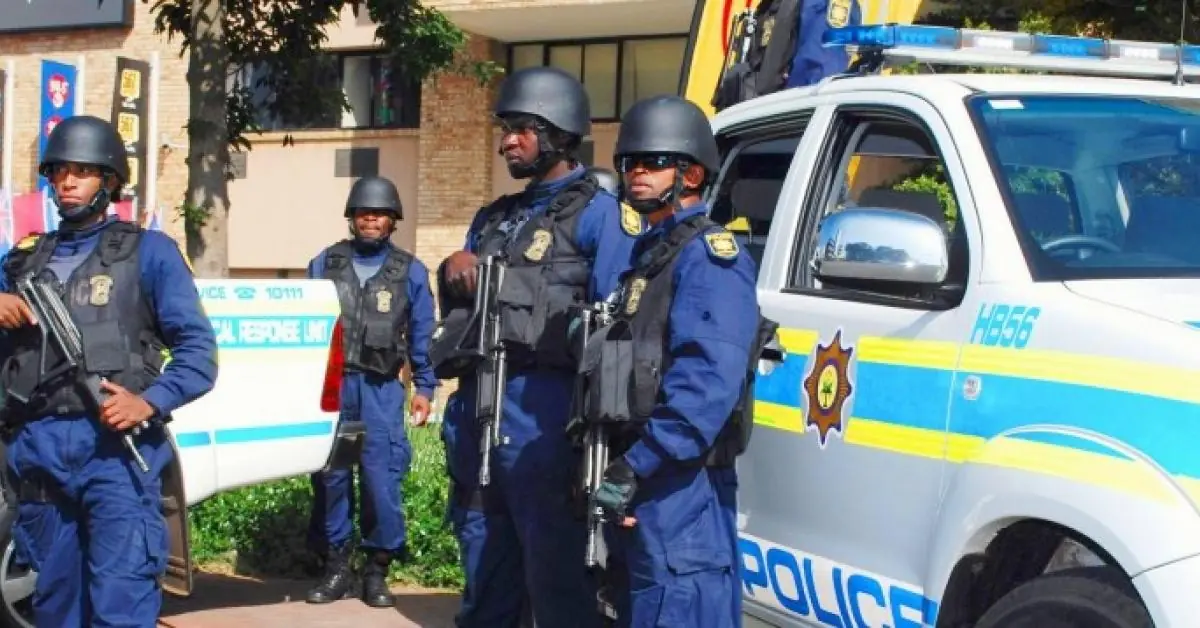
South African security forces were deployed across several cities on Tuesday as authorities sought to prevent unrest linked to an unofficial deadline issued by anti-immigration groups demanding that undocumented foreign nationals leave the country.
Police maintained a visible presence in key locations, including Durban, Johannesburg and Cape Town, amid fears that demonstrations could descend into violence or looting. The government has repeatedly condemned vigilantism while promising to enforce immigration laws through legal channels.
The heightened security operation follows weeks of mounting anti-migrant sentiment that has driven thousands of foreign nationals to seek refuge at consulates, temporary shelters and transit centres as they scramble to return to their home countries.
Officials say approximately 25,000 undocumented migrants have been repatriated in recent weeks. Malawians account for the largest group processed for departure, while thousands of citizens from Zimbabwe, Mozambique, Ghana, Nigeria and other African countries have also left South Africa. Uganda has announced plans to evacuate nearly 750 of its nationals in the coming days.

In Durban, thousands of migrants gathered at departure points waiting for transport home, with many saying they chose to leave out of fear for their safety rather than immigration enforcement alone.
Peter Madsoan, a 45-year-old construction worker from Malawi, said returning home was the safest option despite the uncertainty awaiting him.
“I support my family back in Malawi,” he said. “I’d rather go home alive than stay and risk being attacked.”
Similar scenes unfolded outside diplomatic missions in Cape Town, where migrants camped for days awaiting transportation arranged by their governments.
Among them was Zimbabwean national Evelyn Chinooneka, who said she and her 10-month-old baby had been sleeping outdoors after losing both employment and accommodation.
“It has been raining, and all our belongings are soaked,” she said, expressing hope that evacuation buses would arrive soon.
In Johannesburg’s Soweto township, demonstrators dressed in traditional Zulu attire marched through the streets carrying shields and sticks while chanting slogans calling for undocumented migrants to leave the country.
The demonstrations followed calls by the March and March movement, an anti-illegal immigration campaign, which designated June 30 as the beginning of what it described as a nationwide campaign demanding the removal of undocumented foreigners.
Movement leader Jacinta Ngobese-Zuma insisted the protests were intended to remain peaceful, saying organisers did not support violence or looting.
Authorities nevertheless increased security deployments, citing concerns that criminal elements could exploit the demonstrations. Government officials remain particularly sensitive to the possibility of unrest following the deadly riots that swept parts of KwaZulu-Natal and Gauteng in July 2021, leaving hundreds dead and causing extensive destruction.
President Cyril Ramaphosa has appealed for calm while directing government agencies to intensify lawful efforts to combat illegal immigration. He also urged traditional leaders and community organisations to help reduce tensions and discourage violence.
KwaZulu-Natal Premier Thami Ntuli echoed that message, warning that while concerns about undocumented migration could be debated, acts of xenophobic violence would not be tolerated.
South Africa continues to attract migrants from across the continent because of its relatively advanced economy, even as the country struggles with unemployment exceeding 30 percent, rising crime and persistent pressure on public services.
Anti-immigration groups argue that undocumented migrants compete with citizens for jobs, housing and public resources while contributing to criminal activity. Human rights organisations and migration experts dispute those claims, arguing that economic hardship, weak governance and corruption are the primary drivers of many of the country’s social challenges.
Political analyst Dale McKinley said the current wave of anti-migrant sentiment risks becoming increasingly politicised ahead of local government elections scheduled for November.
He argued that immigration has become a convenient political issue, warning that frustrations over economic conditions should not be redirected toward vulnerable foreign communities.
The latest tensions follow several weeks of attacks targeting foreign nationals, during which at least four people including citizens of Mozambique, Ethiopia and Malawi were reportedly killed, renewing concerns over recurring xenophobic violence in South Africa.




