


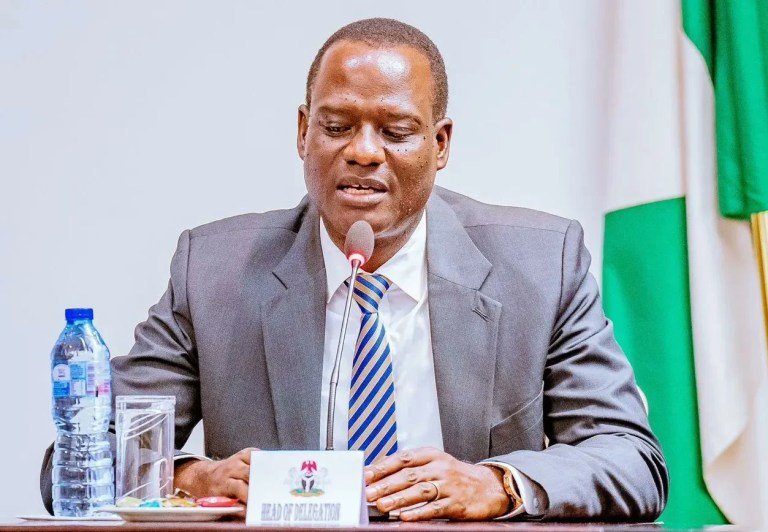
Delaying the implementation of Nigeria’s new tax laws beyond January 1, 2026, could have severe consequences for workers and businesses, according to Taiwo Oyedele, Chairman of the Presidential Fiscal Policy and Tax Reforms Committee.
This comes amid controversy over alleged discrepancies between the tax laws passed by the National Assembly and the versions later gazetted.
The concern, which was raised last week by a House of Representatives member, Abdulsamad Dasuki, claimed that the gazetted laws did not reflect what was debated and approved on the floor of the House.
Meanwhile, following the reported discrepancies, civil society groups and politicians, including former Vice President Atiku Abubakar and the 2023 Labour Party presidential candidate, Peter Obi, have called for the suspension of the laws’ implementation.

However, speaking on Channels Television’s The Morning Brief on Monday, Oyedele said 98 per cent of workers would continue to face multiple taxation if the laws were not enforced.
“The implication of not implementing the new tax laws by January 1, 2026, is that the bottom 98 per cent of workers remain overtaxed,” he said.
Oyedele added that business owners would also miss out on exemptions promised in the new laws and continue paying multiple taxes.
“Businesses will miss out on exemptions and will continue to pay multiple taxes, creating large burdens.
“Minimum taxes continue to apply on low and small unprofitable businesses, while hidden VAT keeps the prices of basic consumables like food, healthcare, and education high,” he said.
Instead of calling for a suspension of the laws, Oyedele suggested that concerns should be addressed directly.
“Even if it is established that there have been substantial alterations to what the National Assembly passed, my view is to identify those provisions—they are not part of the law—then implement the law as passed by the NASS while addressing the issues as to how they got there in the first place,” he said.
He acknowledged that certain aspects of the version passed by the National Assembly would require amendments.
“Even my committee and I have noted areas where we need to go back through Mr President to request amendments to those laws because of issues with referencing and definition,” he explained.
The laws are scheduled to take effect on January 1, 2026, and include the Nigeria Tax Act, Nigeria Tax Administration Act, Nigeria Revenue Service (Establishment) Act, and Joint Revenue Board (Establishment) Act.

