


tech-tesla-optimus-robot-production-fremont
Tesla Starts Optimus Robot Line as Net Profit Drops 43%
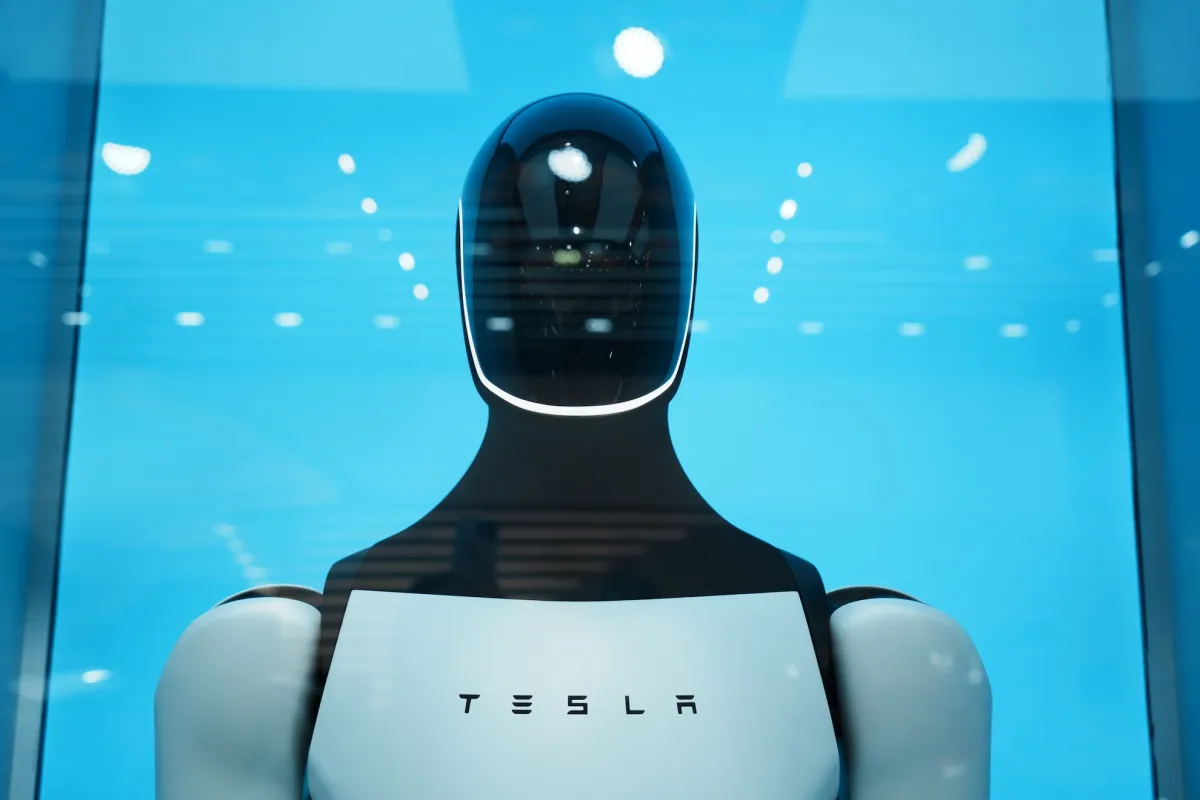
The electric carmaker began building production-grade Optimus humanoid robots in California, even as heavy artificial intelligence spending drove third-quarter profit down 43 percent to $787 million.
Tesla begins building Optimus humanoid robots at its Fremont plant as heavy spending on artificial intelligence cuts quarterly profit by 43%.
Consequently, Tesla has officially started manufacturing its Optimus humanoid robot. The company builds these units inside its Fremont, California plant. Meanwhile, heavy investments in artificial intelligence weighed down overall financial performance. Therefore, net income plunged sharply during the third quarter.

Optimus Assembly Begins Inside Fremont Factory
Essentially, Tesla launched assembly lines for its humanoid robot at its primary California plant. Engineers modified the factory floor after decommissioning older vehicle assembly areas. In fact, the company transformed the former Model S and Model X zones for robotics. Management confirmed that the units rolling off the line represent production-quality builds. As a result, executives consider this step a critical milestone for commercial scale.
Additionally, Chief Executive Elon Musk stated the plant could eventually yield massive output. Musk noted the long-term target reaches up to 20,000 units weekly. However, full mass production will take substantial time to stabilize. Specifically, commercial deliveries to outside buyers will not happen before late 2027. Furthermore, ongoing hardware tweaks continue to adjust mechanical components before broad deployment.
Heavy AI Spending Pressures Quarterly Earnings
Consequently, heavy spending on physical automation squeezed overall quarterly profitability. GAAP net profit dropped 43 percent year-over-year to $787 million. In contrast, total corporate revenue remained flat at $28.05 billion. According to global tech coverage from TechCrunch, rising compute outlays pressured bottom-line margins. Operating income plunged 56 percent to $718 million during the quarter.
Furthermore, capital expenditures doubled year-over-year to reach $4.73 billion. Tesla directed massive financial reserves toward high-powered training data centers and robotics. Meanwhile, automotive sales faced headwinds following changes to federal consumer purchase incentives. Reporting from The Guardian noted that core electric vehicle margins compressed. Indeed, investors must balance long-term automation goals against current balance sheet strains. Similar shifts in international trade and enterprise investment are highlighted by Diaspora Digital Media.
Strategic Pivot Toward Autonomy and Robotics
Meanwhile, Tesla continues redirecting resources away from traditional automotive reliance. Automotive deliveries totaled 486,532 vehicles during the recent quarter. Specifically, Model 3 and Model Y units formed nearly 98 percent of deliveries. However, leadership insists autonomous vehicles and robotics represent the primary future value. In fact, active Full Self-Driving subscriptions jumped significantly across North America.
Additionally, Tesla expands its Cybercab robotaxi operations beyond initial testing areas. Fleet testing continues in Austin, with rollout scheduled for Dallas soon. As a result, software and service earnings surged 33 percent to $4.6 billion. Market analysts from Morningstar expect commercial robotics to drive future cash flows. Therefore, high expenditures reflect a decisive shift into broader robotic engineering.
Ultimately, Tesla faces severe near-term margin pressure during this ambitious industrial transition. Investors remain watchful as massive computing expenses replace conventional electric vehicle expansion. Consequently, executing steady production at Fremont remains essential to prove long-term hardware viability. In fact, market performance hinges entirely on turning complex robotics into profitable consumer products.




