


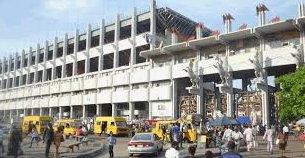
(DDM) – Activities at the Lagos International Trade Fair Complex came to a standstill on Tuesday as traders staged a protest against a proposed takeover of the market by state and local government authorities. The demonstration led to the temporary closure of shops across the facility, leaving hundreds of traders assembled in open areas, garages, and walkways within the market premises.
Traders expressed concern that the planned management changes could result in new levies and taxes that would negatively impact their businesses. Many insisted that the complex is a federal facility and argued that no modifications to its management structure should occur without proper consultation.
The ASPANDA Market, one of the largest spare parts markets in Lagos, was among the sections most affected by the shutdown. Witnesses reported that traders began locking up their shops early in the morning to send a clear message of dissent to authorities.
“We are not against development, but we are concerned about the possible levies and taxes that may be introduced if the management structure changes,” said one trader, Emeka Onu. His sentiment echoed that of other market stakeholders, highlighting a growing tension between traders and government agencies.
The market protest drew attention to a broader national issue: the delicate balance between government oversight and the rights of private operators in federal and public facilities. Lagos State has historically relied on public-private partnerships to manage some of its commercial spaces, but disputes over governance, taxation, and revenue distribution remain contentious.
In response to the unrest, Nigeria’s Minister of Industry, Trade and Investment, Jumoke Oduwole, visited the market later in the day. She urged traders to reopen their shops while emphasizing that her visit was intended to engage stakeholders and foster dialogue. “My goal is to support the smooth conduct of business activities and hear directly from traders about their concerns,” Oduwole stated.
CNN-style explainer: The Lagos International Trade Fair Complex is a major commercial hub, strategically located to facilitate both local and international trade. Its management has been a subject of debate for years, with responsibilities divided between federal, state, and local authorities. Traders rely on the market not just for income, but also as a key link in supply chains that feed into broader Lagos commerce and the Nigerian economy. Changes in governance could affect rent, licensing, security, and operational regulations.
Observers note that disputes like these can escalate quickly, particularly in high-density commercial zones. When traders feel excluded from decision-making, they often resort to shutdowns or protests, which in turn disrupt economic activity and attract media scrutiny.
The incident raises questions about government strategy, stakeholder consultation, and the future of Lagos’ commercial markets. While authorities have pledged dialogue, traders remain cautious, wary that federal facilities could be restructured in ways that may increase costs or reduce autonomy.
As the day ended, traders had not fully reopened the complex, signaling that negotiations and discussions were still ongoing. Analysts say that the resolution will require careful coordination between federal, state, and local officials, as well as meaningful engagement with the market community.

