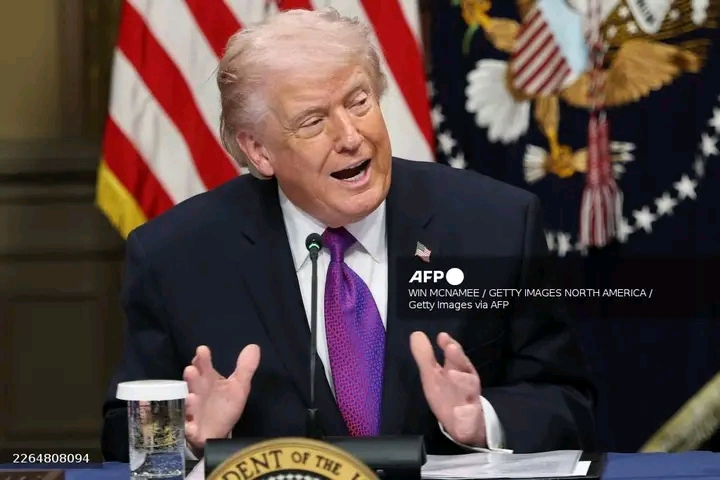
(DDM) – Gianni Infantino says Donald Trump has confirmed that Iran will be allowed to compete in the 2026 FIFA World Cup despite rising geopolitical tensions involving the country.
DDM notes that the confirmation followed discussions between Infantino and Trump regarding preparations for the tournament, which will be jointly hosted by the United States, Canada and Mexico.
The assurance comes at a sensitive moment as tensions in the Middle East continue to escalate, raising broader questions about how global sporting events operate during periods of political conflict.
Here is what to know about the issue.
Why Iran’s participation became a global question

Iran’s potential participation in the 2026 tournament has drawn attention because of its strained diplomatic relations with the United States.
The United States has imposed multiple sanctions on Iran over the years, particularly related to nuclear development and regional security concerns.
These tensions have occasionally raised concerns about travel restrictions for Iranian officials and citizens entering the United States.
Because several World Cup matches will be hosted in American cities, analysts questioned whether Iran’s national team could face entry barriers if it qualifies.
Infantino’s statement appears to address those concerns by confirming that the team would be permitted to compete.
How the World Cup hosting arrangement works
The 2026 tournament will be the first in history to be jointly hosted by three countries.
Matches will be played across multiple stadiums in the United States, Canada and Mexico.
The tournament will also expand from 32 teams to 48 teams, making it the largest World Cup ever organized.
This expanded format means more national teams from different regions will have an opportunity to qualify.
Iran has historically been one of Asia’s strongest teams and has appeared regularly in recent World Cups.
Why politics and football sometimes collide
International football has frequently intersected with global politics.
Diplomatic tensions between countries have occasionally affected visa approvals, security arrangements and travel logistics for international sporting events.
However, FIFA traditionally insists that qualified teams must be allowed to participate regardless of political disagreements.
The governing body argues that football competitions should remain neutral platforms where nations compete on the field rather than through politics.
What this means for the 2026 World Cup
Infantino’s remarks signal that FIFA expects the tournament to proceed without restrictions on qualified teams.
The assurance from Trump also suggests the United States government is willing to allow Iranian players and officials to enter the country for the event.
This could help prevent diplomatic complications that might otherwise disrupt tournament planning.
For organizers, maintaining open participation is crucial because the World Cup is the most watched sporting event on the planet.
The 2026 edition is expected to attract billions of viewers worldwide.
Officials hope the tournament will demonstrate how sport can still unite people globally even during periods of political tension.
For now, FIFA says preparations for the competition are continuing across North America as qualification matches progress in different regions.