


tech-trump-unveils-super-intelligence-force
Trump Unveils Super Intelligence Force for AI Drive
The White House launched a four-member Super Intelligence Force to steer federal AI policy within 120 days, building on voluntary industry accords with major tech leaders.
President Donald Trump created a Super Intelligence Force to drive federal AI policies and secure global tech leadership.
Consequently, United States President Donald Trump has announced a new initiative. Specifically, he launched the Super Intelligence Force to lead federal technology strategy. In fact, the group will manage policy for artificial intelligence systems. Therefore, the White House aims to protect critical public interests.

A Major Shift in Federal AI Policy
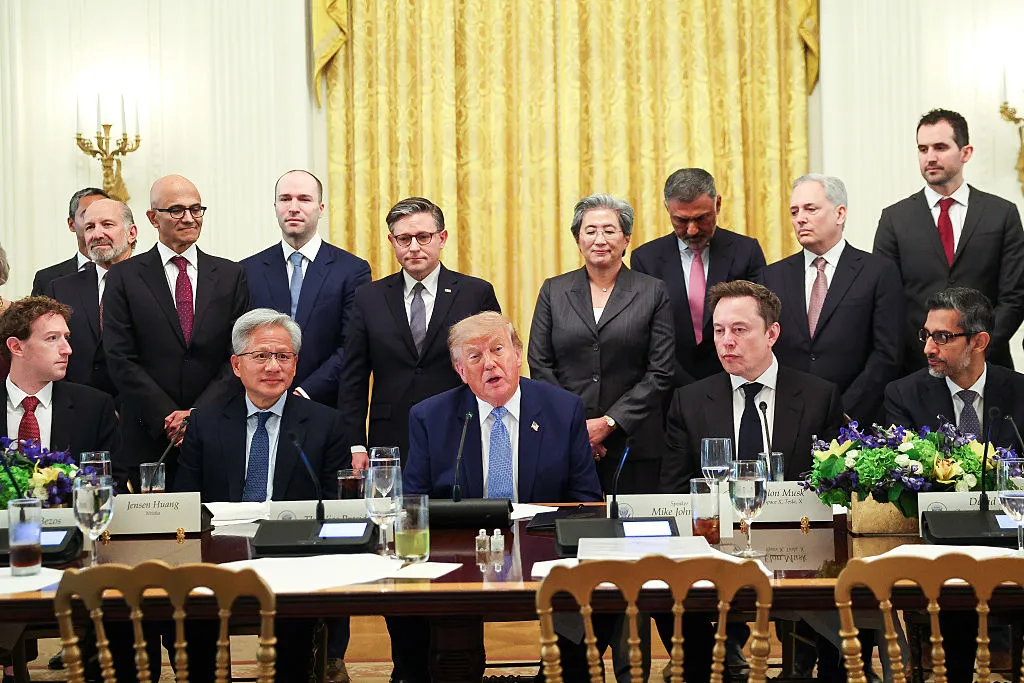
Simultaneously, the administration created this unit to coordinate federal tech interactions. Specifically, the group will link public interest bodies, religious groups, and tech developers. In fact, the project builds on the recent White House Accord on Super Intelligence. Trump described the current tech boom as larger than the Industrial Revolution. As a result, Washington wants clear leadership across every major federal agency.
Furthermore, the new team will lead outreach across critical national infrastructure. Indeed, modern technology shifts require proactive global leadership and governance. Readers can explore broader international trends on Diaspora Digital Media today. In contrast to strict bans, this strategy relies on fast private partnerships. Consequently, officials will monitor deep algorithmic risks without stalling private digital innovation.
Leadership Structure of the New Force
Additionally, four senior officials will direct the newly created task force. Specifically, Director of National Intelligence Jay Clayton serves as the primary lead. In fact, Federal Trade Commission Chairman Andrew Ferguson also joins the leadership bench. Furthermore, Under Secretary of War for Research and Engineering Emil Michael will help direct policy. Office of Personnel Management Director Scott Kupor rounds out the core command.
Consequently, the panel will report directly to President Donald Trump. Meanwhile, White House Chief of Staff Susie Wiles will supervise internal coordination. As a result, the team operates with direct presidential authority across all departments. In fact, national security advisers and trade regulators must cooperate on every proposal. Therefore, federal operations will align closely around advanced computing capabilities.
A 120-Day Mandate for Action
Subsequently, the White House gave the task force exactly 120 days to report. Specifically, members will review federal laws and propose key legislative reforms to Congress. In fact, official directives follow White House Presidential Actions on emerging technologies. Trump previously ordered agencies to use the term “Super Intelligence” over standard labels. Therefore, the group will standardize terminology and defensive protocols across departments.
Meanwhile, the unit must review cyber threats, hacks, and dangerous systemic breaches. For example, modern defensive tools will guard sensitive government systems against digital attacks. In addition, The Wall Street Journal noted that the panel must avoid harmful red tape. Consequently, federal regulators want rapid deployment alongside strong national security standards.
Essentially, this new panel marks a critical milestone for federal technology governance. Furthermore, global developers are closely watching Washington’s fast policy evolution. In fact, the final 120-day report will define future public-private tech rules. Ultimately, the administration plans to maintain American dominance in advanced intelligence.




