


tech-uber-robotaxi-lobbying-effort-sparks-clash-waymo
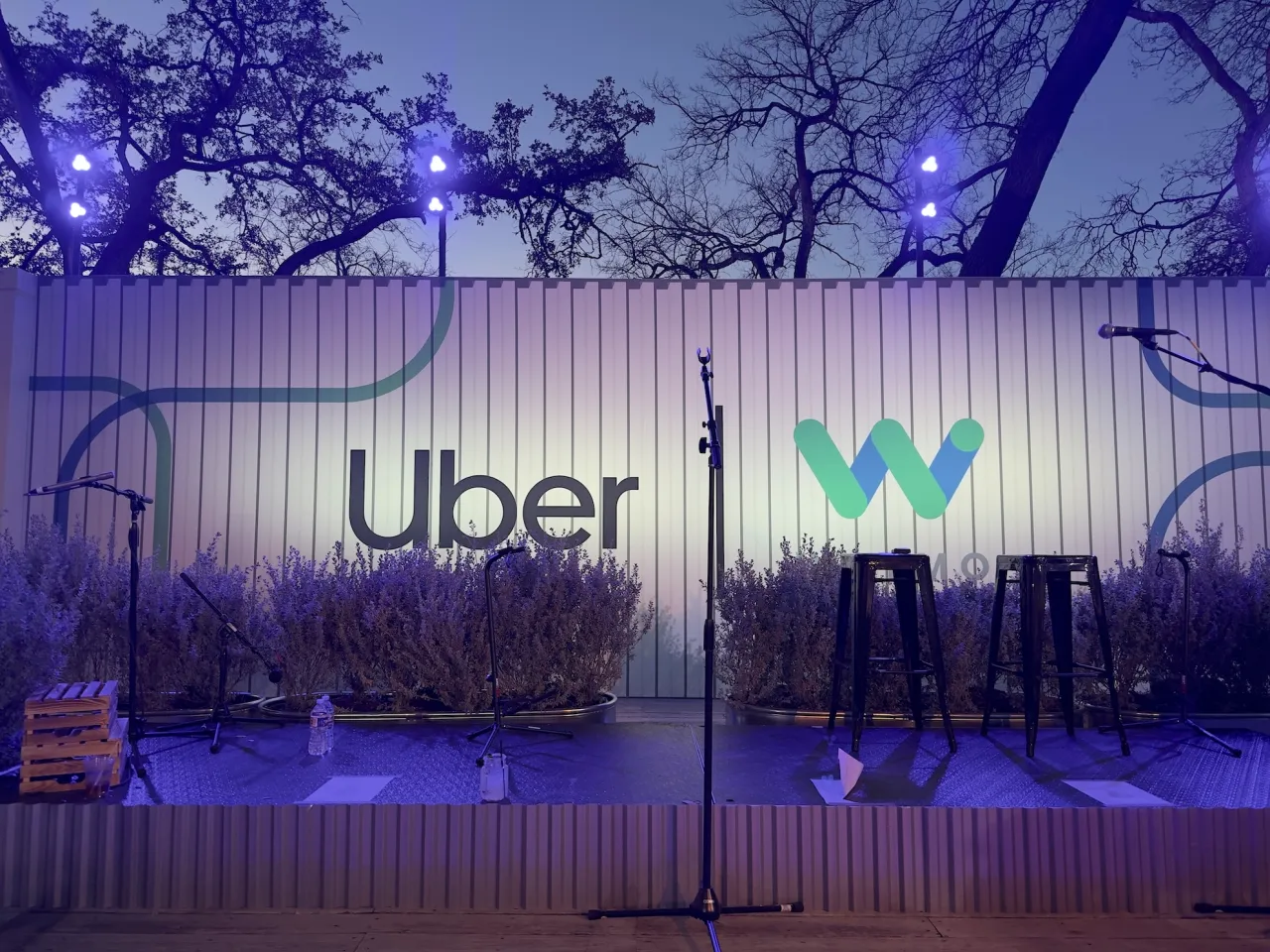
Uber Robotaxi Lobbying Effort Sparks Clash With Waymo The ride-hailing giant is pushing state regulators to enforce human-driver safety rules on autonomous fleets, officially ending its brief Phoenix partnership with Waymo as direct competition intensifies. Uber robotaxi lobbying effort sparks a fierce regulatory battle with Waymo over autonomous vehicle rules and the future of human ride-hailing.
The Uber robotaxi lobbying effort has sparked a massive corporate battle. The ride-hailing giant is fighting directly against autonomous vehicle rival Waymo. Uber wants strict laws to keep human drivers involved in transportation. As a result, pure self-driving companies now face severe regulatory threats.
The Regulatory Battle Begins
Consequently, a major policy fight is now dividing two transportation giants. The latest Uber robotaxi lobbying effort targets standalone autonomous apps. Therefore, Uber wants city regulators to enforce mixed human-AV network rules. This specific legal strategy directly threatens the core Waymo business model. In fact, documents show Uber pushing to keep human drivers involved. Local standalone robotaxi services could face massive new compliance hurdles soon. As a result, Uber hopes to protect its enormous human driver network.

Simultaneously, Waymo views these restrictive laws as a direct market attack. The former corporate partners are officially becoming fierce modern industry rivals. Furthermore, Waymo plans to launch a dedicated direct-to-consumer travel app soon. Uber continues to leverage its vast political influence across local cities. Therefore, the ride-hailing company is fighting to maintain its market dominance. Company executives fear that fully independent robotaxis will replace traditional drivers. Indeed, TechCrunch recently highlighted this growing boardroom tension between both companies.
Phoenix Partnership Officially Ends
Furthermore, the growing corporate friction has already ruined existing joint projects. Uber and Waymo quietly terminated their smaller robotaxi pilot program recently. Therefore, Waymo completely removed its autonomous vehicles from the Uber network. The limited Phoenix testing partnership is now officially dead and buried. Indeed, Bloomberg recently confirmed this highly strategic and sudden business divorce. Both companies are rapidly searching for new reliable autonomous tech allies. As a result, Uber desperately needs new vehicle partners for future fleets.
Additionally, Waymo is rapidly shifting its entire focus toward independent operations. The Alphabet subsidiary wants full control over the daily customer experience. Specifically, Waymo refuses to remain a simple hardware supplier for Uber. Building a successful consumer app requires massive global marketing budgets today. In contrast, Uber already possesses a massive global user base currently. The giant ride-hailing company holds a distinct advantage in consumer distribution. Meanwhile, rapid artificial intelligence innovation continues to disrupt massive legacy businesses. For example, similar automated systems recently prompted heavy global job shifts.
Federal Scrutiny Increases Pressure
Meanwhile, federal regulators are closely watching this escalating autonomous vehicle conflict. The National Highway Traffic Safety Administration is actively demanding safety improvements. Therefore, federal agents recently ordered all robotaxi operators to fix failures. Strict new government directives now pressure every single self-driving tech company. Indeed, Silicon Canals reported that operators must resolve these emergency issues quickly. These sudden federal compliance costs hit independent autonomous startups extremely hard. Consequently, Uber sees a perfect opportunity to exploit this regulatory chaos.
Subsequently, Uber believes a hybrid human-AV approach offers better safety guarantees. Human drivers provide essential backup during dangerous roadway emergencies and storms. Specifically, Uber argues that fully driverless fleets remain far too risky. The company highlights recent high-profile autonomous vehicle traffic accidents and crashes. As a result, city leaders are actively listening to these safety concerns. Many local politicians strongly prefer gradual and highly regulated tech transitions. Ultimately, strict federal safety rules benefit companies with massive lobbying budgets.
The Future of Autonomous Transit
To conclude, the ongoing robotaxi war will reshape global public transportation. The latest Uber robotaxi lobbying effort clearly defines the upcoming battle. Therefore, passengers will soon choose between hybrid networks and autonomous fleets. Local city regulators hold the ultimate power to crown the winner. Consequently, both tech giants will spend millions to influence local lawmakers. Policy decisions will strictly dictate the speed of self-driving public adoption. Indeed, Reuters notes that Uber still plans independent global autonomous testing.
Essentially, the transition to driverless cars remains a highly political process. Public safety fears continue to slow down pure automated technological progress. Specifically, Uber leverages these exact fears to protect its core business. Waymo promises a safer and entirely robotic future for all commuters. However, achieving that grand vision requires winning this complex regulatory war. Everyday consumers will clearly benefit from this fierce and expensive competition. Ultimately, better and cheaper transportation options will eventually reach our streets.
To conclude, the robotaxi sector faces a brutal and expensive regulatory war. Therefore, the ultimate winner must conquer both software engineering and local politics. Ultimately, public safety concerns will determine the future of global urban transit.




