



WASHINGTON, UNITED STATES — A United States federal court has overturned a Trump administration rule that sought to restrict how long international students and exchange visitors could remain in the country, preserving a longstanding immigration arrangement that allows eligible foreign students to stay for the duration of their approved academic programmes.
US District Judge F. Dennis Saylor IV of the District Court for the District of Massachusetts delivered the final ruling on Monday, November 16, 2026, setting aside the Department of Homeland Security’s regulation in its entirety under the Administrative Procedure Act.
The decision followed a legal challenge brought by a coalition of higher education organisations, labour unions and international education advocates. The groups argued that the proposed restrictions would create unnecessary administrative obstacles, disrupt academic programmes and make the United States less attractive to international students and researchers.
The regulation, finalised by the Trump administration in July 2026, sought to end the longstanding Duration of Status policy, commonly known as D/S. Under the arrangement, international students holding F-1 visas could remain in the United States while maintaining their approved student status and making progress towards completing their studies.
The administration proposed replacing that system with fixed admission periods of no more than four years. Students and exchange visitors who needed additional time would have been required to apply for extensions of stay through federal immigration authorities.
The proposed changes also affected J-1 exchange visitors and representatives of foreign media holding I visas. The regulation introduced fixed admission periods for these categories, including a 240-day limit for foreign media representatives, subject to applicable provisions.
In his ruling, Judge Saylor concluded that the Department of Homeland Security had failed to provide sufficient justification for the sweeping changes. He found that the agency had not adequately assessed the potential consequences of the policy, considered less burdensome alternatives or properly addressed significant concerns raised during the regulatory process.
The court also questioned the department’s justification for changing the existing system on grounds including immigration fraud and national security. It noted that the government had failed to meaningfully consider improvements to the existing Student and Exchange Visitor Information System, known as SEVIS, as a possible alternative to imposing additional restrictions.
Saylor further held that the restrictions on academic progression exceeded the department’s statutory authority because they were not reasonably connected to the purpose of the F-1 student visa programme.
The ruling means that the proposed fixed admission periods, new extension requirements and restrictions on academic mobility will not take effect. The previous Duration of Status framework remains in place nationwide.
The case was brought by organisations including NAFSA: Association of International Educators, the Presidents’ Alliance on Higher Education and Immigration, the Association of Independent Colleges and Universities in Massachusetts, the American Federation of Teachers and other labour and education groups.
The coalition argued that the proposed policy could disrupt students pursuing degrees that routinely require more than four years, particularly doctoral programmes and other advanced research courses. It also warned that repeated immigration applications would impose additional financial and administrative burdens on students, universities and researchers.
Universities and higher education advocates had expressed concern that the restrictions could discourage talented international applicants from choosing American institutions, particularly when competing countries offer more predictable pathways for completing academic programmes.
The court’s decision has therefore been welcomed by organisations representing international education and higher education institutions. The Presidents’ Alliance described the ruling as an important victory for international students, scholars and the universities that host them.
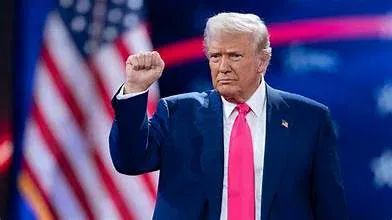
The dispute also comes amid wider changes to US immigration policy under President Donald Trump, including increased scrutiny of international students and other foreign nationals. The administration had defended its proposed restrictions as part of efforts to strengthen oversight and prevent abuse of the immigration system.
However, the court’s final decision establishes that immigration agencies must operate within the authority granted to them by Congress and follow the legal requirements governing federal rule-making.
For international students already studying in the United States, the ruling provides important clarity by preserving the existing arrangement rather than requiring them to comply with the proposed four-year admission limit.
It is also significant for prospective students, exchange visitors and academic institutions that rely on international participation in teaching, research and other educational programmes.
Although the government may separately appeal the final judgment or seek a stay, the filing of an appeal would not automatically suspend the ruling. The existing Duration of Status framework therefore remains applicable unless a court subsequently changes that position.
The judgment marks a major legal setback for the administration’s attempt to introduce fixed time limits for international students and exchange visitors, while leaving the broader debate over immigration oversight and the treatment of foreign nationals in the United States unresolved.


