



The United States has renewed the African Growth and Opportunity Act (AGOA), restoring duty-free access to the US market for eligible African countries after the trade programme expired last year.
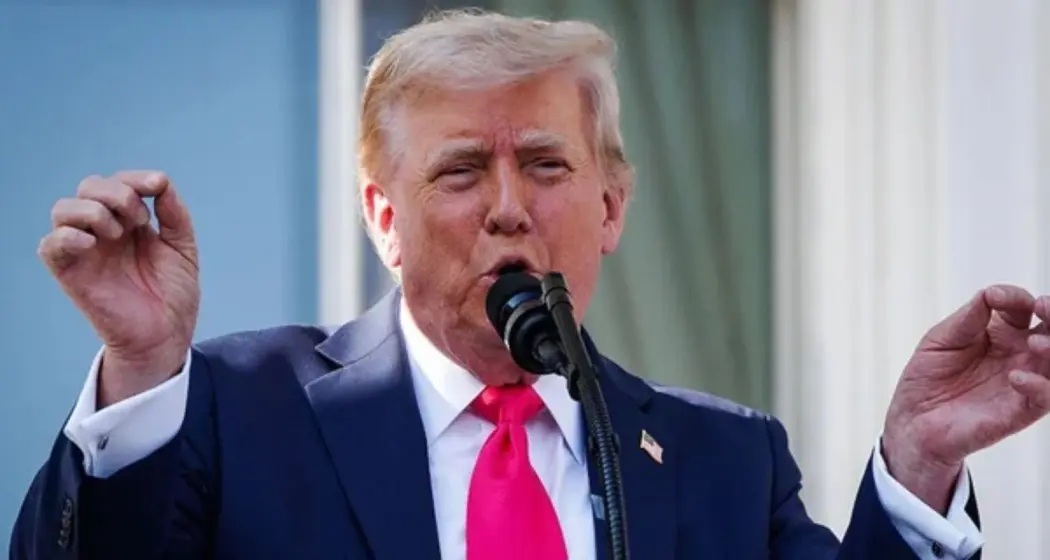
US Trade Representative Jamieson Greer announced on Tuesday that President Donald Trump had signed a law extending AGOA through December 31, 2026, with retroactive effect from September 30, 2025, the date the agreement lapsed.
Greer said the renewed deal would need to be updated to reflect current US trade priorities, stressing that Washington expects greater reciprocity from its African partners.
He added that the administration plans to work with Congress over the next year to modernise the programme and align it with broader US trade policy.

AGOA, which has guided US-Africa trade relations for the past 25 years, allows selected African countries to export goods to the United States without tariffs.
The programme covers 32 African nations and has supported billions of dollars in exports annually, including vehicles, textiles, agricultural goods, and energy products.
The agreement’s expiration in September disrupted trade flows, affected thousands of jobs, and forced exporters to absorb higher tariffs.
According to the United States International Trade Commission (USITC), AGOA exports reached $8.23 billion in 2024.
South Africa accounted for nearly half of that total, largely driven by exports of cars, precious metals, and agricultural produce. Nigeria contributed roughly one-fifth, mainly through oil and other energy products.
Smaller economies were also hit hard. In Lesotho, where the textile industry is the country’s largest employer, the lapse reportedly led to significant job losses and sparked protests in the capital, Maseru, in October.
Lesotho exported about $150 million worth of goods under AGOA in 2024.
President Trump has used tariffs as a major tool in reshaping US global trade policy, and officials say the renewed AGOA framework will be reviewed to ensure it delivers stronger benefits for American businesses while maintaining trade ties with Africa.




