The United States is preparing to introduce a fresh round of tariffs on several countries, with an announcement expected as early as Wednesday, according to information obtained by DDM.
The proposed import duties are expected to affect at least 14 trading partners, including major economies such as China, the European Union and Japan.
The development follows a Section 301 trade investigation launched by the White House in March, after the US Supreme Court ruled that President Donald Trump’s controversial Liberation Day tariffs were unlawful.
Tariffs have remained a central part of Trump’s economic agenda, with the president maintaining that higher import duties will encourage domestic manufacturing, attract investment and create more jobs for American workers.
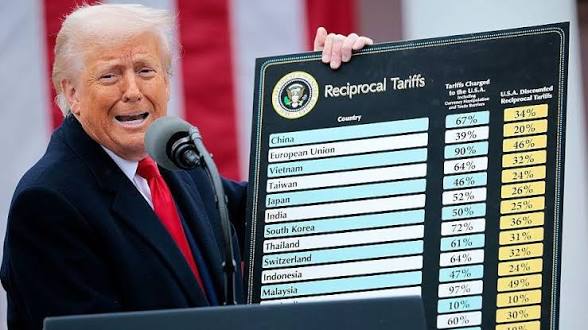
Trump triggered widespread international reactions in April 2025 when he announced sweeping tariffs against several trading partners shortly after returning to the White House.
Although the Supreme Court later overturned the measures, US Trade Representative Jamieson Greer defended the administration’s position, arguing that excessive foreign production was undermining American industries and discouraging investment in domestic manufacturing.
Under the proposed arrangement, affected countries are expected to face varying tariff rates based on trade agreements and concessions previously negotiated with the Trump administration.
The planned announcement could further strain relations between Washington and Beijing, as the world’s two largest economies continue to navigate an ongoing trade dispute.
Despite a recent meeting between Trump and Chinese President Xi Jinping, significant disagreements remain unresolved. Their temporary trade agreement is also scheduled to expire on January 10, raising questions about the future of their economic relationship.
Ahead of the Shenzhen summit, Washington accused Beijing of failing to fully honour commitments reached during negotiations in October 2025.
US officials specifically expressed concerns over China’s alleged failure to meet agreed targets involving agricultural purchases, rare earth materials and other strategically important minerals.
However, China took a step towards easing tensions on Tuesday by extending the suspension of its planned export restrictions on critical minerals, including gallium, germanium and antimony, until January 27. The restrictions would otherwise have taken effect on Friday.
Meanwhile, Trump’s aggressive tariff strategy continues to attract criticism from economists and trade partners, with concerns that increased import costs could raise prices for American consumers, disrupt international supply chains and weaken global economic growth.