



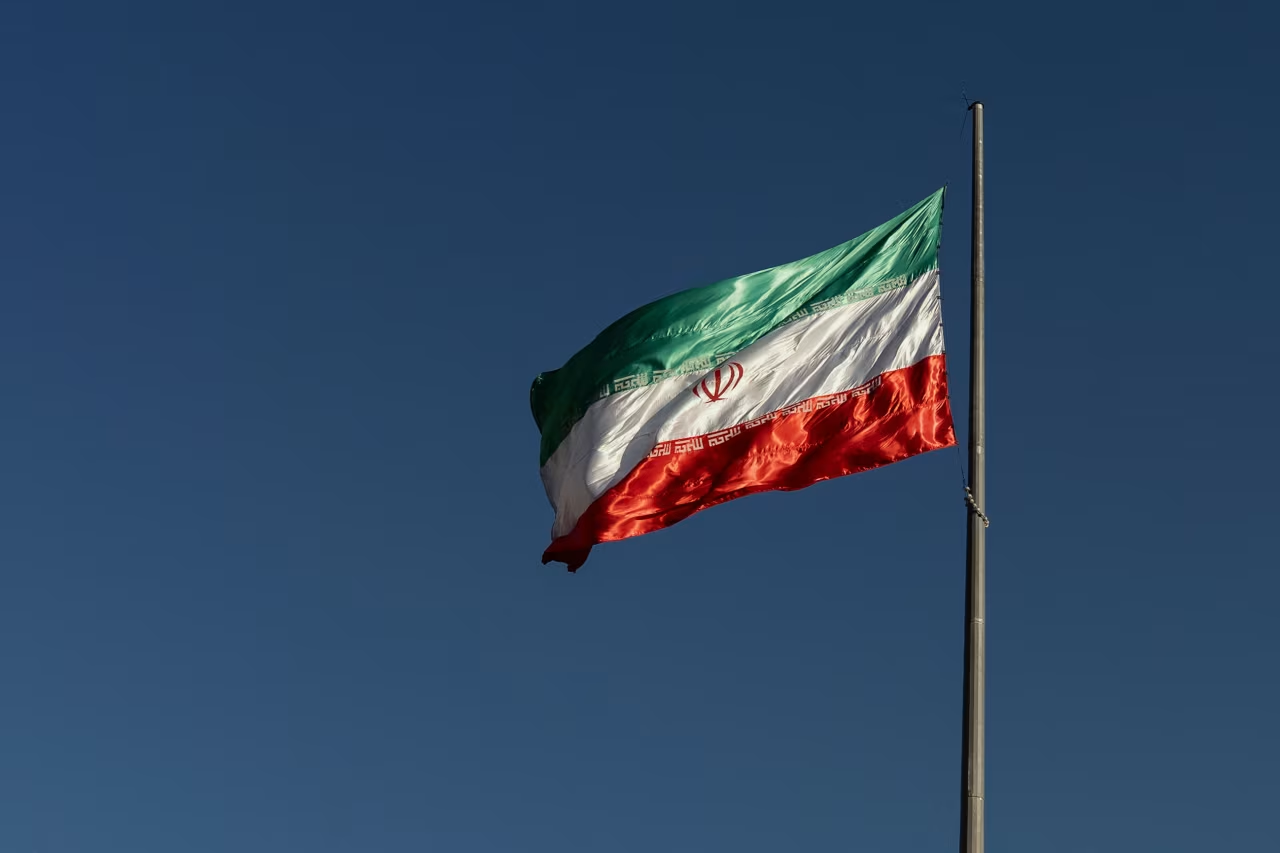
Iran has said it is prepared for war but remains open to negotiations with the United States as nationwide anti-government protests enter a third week and reported casualties continue to rise.
According to CNN report, a U.S.-based human rights group said at least 512 protesters, including nine children, have been killed since demonstrations erupted across the country.
Nearly 10,700 people have also been arrested.
The figures could not be independently verified due to a nationwide internet and communications blackout that has lasted for four days, severely restricting the flow of information from inside Iran.
The protests, which began over economic grievances, have evolved into a broader challenge to the Islamic Republic.

Images and videos shared on social media before the blackout showed demonstrators gathering in several cities, including Tehran, chanting slogans and lighting bonfires despite an intensifying security crackdown.
Iranian officials have taken a hard public line while signalling limited diplomatic flexibility.
The country’s foreign minister has held recent communications with U.S. special envoy Steve Witkoff, according to a source familiar with the matter, indicating that indirect talks between Tehran and Washington may be underway.
At the same time, Iranian authorities have stressed that the country is ready to defend itself militarily if threatened.
The unrest has drawn a sharp response from Washington. U.S. President Donald Trump announced that countries doing business with Iran would face a new 25 percent tariff on trade with the United States, a move likely to affect major Iranian trading partners, including China.
Trump has also warned that the U.S. would carry out military strikes if Iran were to target American interests.
The U.S. administration is also facing pressure to expand support for internet access in Iran after funding for such programmes was cut last year, as the communications blackout continues to limit contact between protesters and the outside world.
As demonstrations persist and international pressure mounts, Iran remains caught between escalating internal unrest and growing external threats, raising concerns about wider instability in the region.



 and then