
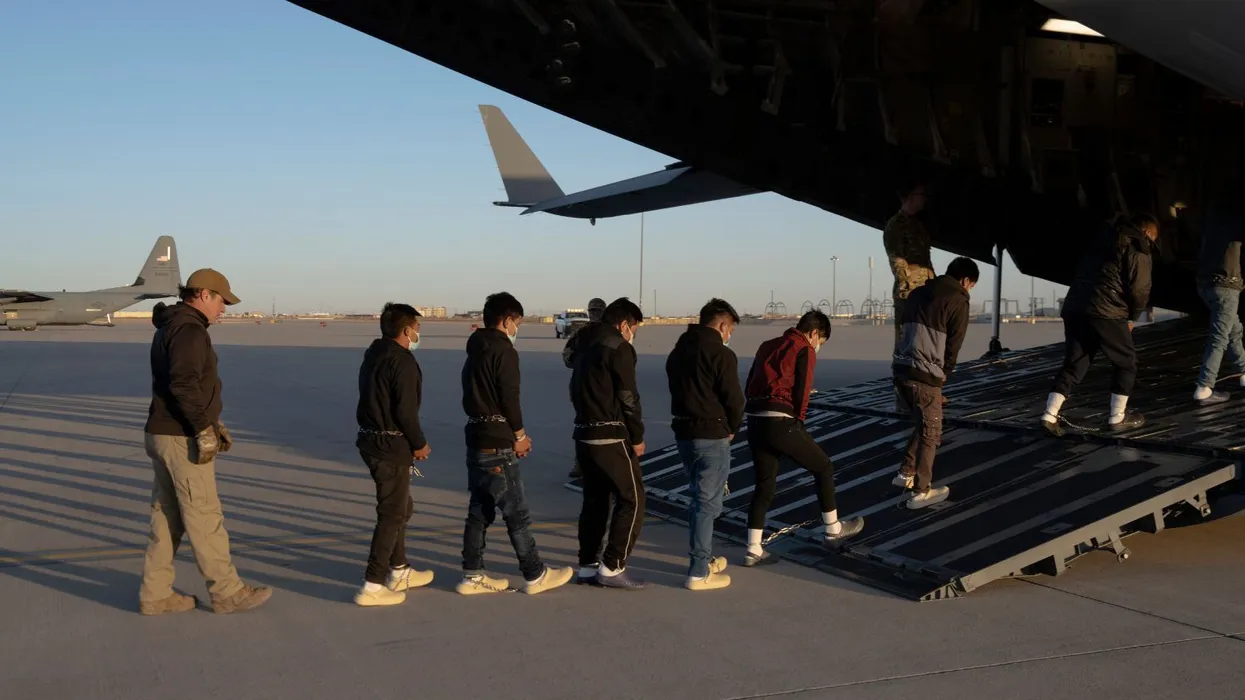
The United States has signed new bilateral deportation agreements with Honduras and Uganda, expanding President Donald Trump’s hardline immigration policy and raising fresh concerns among human rights groups.
According to documents obtained by CBS News and shared with the BBC, the deals form part of Washington’s effort to widen the scope of countries willing to accept migrants deported from the US, including individuals who are not their own citizens.
Uganda and Honduras Accept New Deportation Roles
Under the agreement, Uganda has pledged to receive African and Asian migrants who had attempted to claim asylum at the US-Mexico border.
However, Kampala has made it clear that only those without criminal records will be considered. It remains uncertain how many people the East African country will ultimately accept.

Meanwhile, Honduras will receive several hundred deportees from Spanish-speaking countries over the next two years, including families travelling with children.
Government documents suggest the Central American nation may be open to expanding the number of arrivals beyond the initial commitment.
Both countries now join a growing list of nations that have been drawn into Trump’s second-term crackdown on illegal immigration.
Part of a Wider Trump Strategy
Since returning to the White House, President Trump has pushed aggressively to secure deportation arrangements with countries across multiple continents even those with controversial human rights records.
So far, at least a dozen nations have signed similar agreements.
Just last week, the State Department announced a “safe third country” deal with Paraguay.
Earlier this month, Rwanda agreed to take up to 250 migrants from the US, but with a stipulation that Kigali can vet and approve each case individually.
Panama and Costa Rica have also recently committed to resettling several hundred African and Asian migrants.
The administration has reportedly approached other governments, including Ecuador and Spain, about potential agreements.
Criticism from Human Rights Campaigners
The deals have sparked widespread criticism. Rights groups argue that sending migrants to third countries exposes them to serious risks, including potential onward deportation to places where they could face persecution or harm.
The United Nations has also warned that such transfers may violate international law, as they could deny migrants the right to a fair asylum process.
The US Supreme Court fueled controversy in June when it allowed the administration to resume deportations to third countries without requiring a formal review of potential risks.
The ruling passed by a conservative majority, while Justices Sonia Sotomayor, Elena Kagan, and Ketanji Brown Jackson issued a strong dissent, calling it “a gross abuse.”
A Signature Trump Policy
Mass deportations and stricter border controls remain central to Trump’s political agenda.
His campaign promised sweeping action on undocumented migration, a stance that drew strong support from voters who helped secure his second presidential term.
Critics, however, warn that outsourcing deportations to nations with fragile systems or questionable rights records could set a dangerous precedent in global migration policy.
For now, Uganda and Honduras have become the latest testing grounds for Trump’s controversial deportation drive, even as the debate over its legality and morality deepens on the international stage