


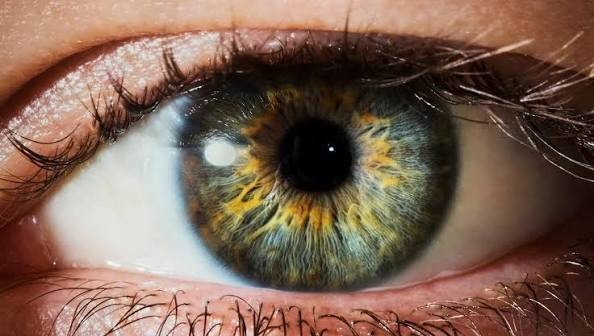
Your eyes do more than help you see—they can also provide important clues about your overall health. According to health experts, changes in your eyes may sometimes be among the first signs of underlying medical conditions, including diabetes, high blood pressure, liver disease, and vitamin deficiencies.
While not every eye change is a cause for concern, persistent or sudden symptoms should never be ignored.
1. Yellowing of the Eyes
A yellow tint in the whites of the eyes, known as jaundice, may indicate liver problems. It occurs when bilirubin, a yellow pigment, builds up in the body due to liver disease or blocked bile ducts.
2. Blurred Vision
Occasional blurred vision may result from eye strain or fatigue. However, persistent blurred vision can be linked to diabetes, high blood pressure, cataracts, or other eye conditions that require medical evaluation.

3. Dry Eyes
Dry, itchy, or burning eyes may be caused by prolonged screen time or environmental factors. In some cases, they may also be associated with autoimmune disorders or certain medications.
4. Red Eyes
Redness can occur because of allergies, infections, irritation, or lack of sleep. However, severe or persistent redness accompanied by pain or vision changes should be examined by a healthcare professional.
5. Floating Spots
Small floating shapes, known as floaters, are common with aging and are often harmless. However, a sudden increase in floaters, especially when accompanied by flashes of light or vision loss, may indicate a retinal problem that requires urgent medical attention.
6. Bulging Eyes
Eyes that appear unusually prominent may be associated with thyroid disorders, particularly an overactive thyroid. Persistent bulging should be evaluated by a healthcare provider.
7. Difficulty Seeing at Night
Poor night vision may be related to aging or eye diseases, but it can also occur in people with vitamin A deficiency. Regular eye examinations can help identify the underlying cause.
8. Frequent Eye Twitching
Occasional eye twitching is usually harmless and may be triggered by stress, fatigue, or excessive caffeine intake. Persistent twitching, however, should be assessed if it interferes with daily activities.
How to Protect Your Eye Health
Health experts recommend several habits to maintain healthy vision:
- Eat foods rich in vitamins A, C, and E.
- Wear sunglasses to protect against harmful UV rays.
- Take regular breaks from digital screens.
- Avoid smoking.
- Control blood sugar and blood pressure.
- Schedule routine eye examinations, especially after the age of 40 or if you have diabetes.
When to See a Doctor
Seek immediate medical attention if you experience sudden vision loss, severe eye pain, flashes of light, or a rapid increase in floaters. These symptoms may indicate a serious eye condition requiring urgent treatment.
The Bottom Line
Your eyes can offer valuable clues about your general health. Paying attention to persistent changes and attending regular eye examinations can help detect both eye diseases and other medical conditions at an early stage.
Disclaimer: This article is for informational purposes only and should not replace professional medical advice. Anyone experiencing persistent eye symptoms or vision changes should consult a qualified healthcare professional or eye specialist for proper evaluation and treatment




