


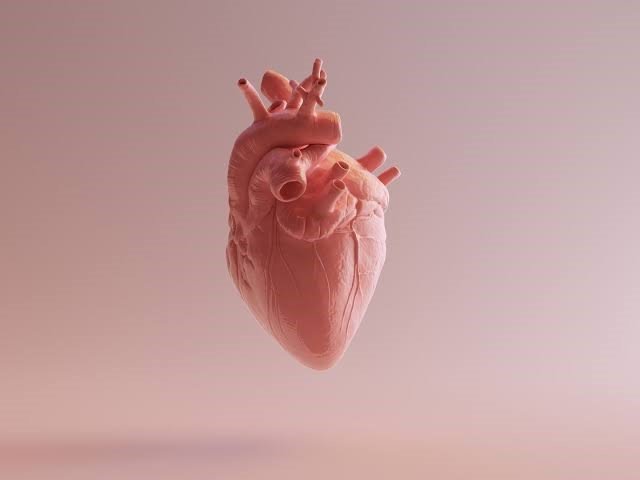
Heart disease remains one of the leading causes of death worldwide, yet many people fail to recognize its early warning signs. While symptoms such as chest pain are well known, heart problems can also present in less obvious ways.
Health experts say paying attention to persistent or unusual symptoms can lead to earlier diagnosis and improve treatment outcomes.
1. Chest Pain or Pressure
Chest pain is one of the most common warning signs of heart disease. It may feel like pressure, tightness, squeezing, or discomfort in the center or left side of the chest. Although chest pain can have many causes, it should never be ignored, especially if it occurs during physical activity or emotional stress.
2. Shortness of Breath
Difficulty breathing during everyday activities or while lying down may indicate that the heart is struggling to pump blood efficiently. This symptom can also occur with lung conditions, making medical evaluation important.
3. Unusual Fatigue
Feeling extremely tired after performing routine tasks may be an early sign of heart disease, particularly in women. Persistent fatigue without an obvious cause should be discussed with a healthcare provider.
4. Pain That Spreads Beyond the Chest
Heart-related pain may radiate to the arms, shoulders, neck, jaw, or back. In some cases, this discomfort occurs without significant chest pain.
5. Swelling in the Legs or Feet
Swollen ankles, feet, or legs may develop when the heart cannot pump blood effectively, allowing fluid to build up in the lower parts of the body.
6. Irregular Heartbeat
Occasional skipped heartbeats are common, but persistent palpitations, a racing heartbeat, or an irregular pulse may indicate an underlying heart rhythm disorder.
7. Dizziness or Fainting
Frequent dizziness, lightheadedness, or fainting may occur when the heart is unable to maintain adequate blood flow to the brain. These symptoms require prompt medical evaluation.
8. Cold Sweats and Nausea
Sudden cold sweats, nausea, or vomiting especially when accompanied by chest discomfort or shortness of breath may be signs of a heart attack and require emergency medical attention.
Who Is at Higher Risk?
Several factors increase the risk of heart disease, including:
- High blood pressure
- High cholesterol
- Diabetes
- Smoking
- Obesity
- Physical inactivity
- Family history of heart disease
- Excessive alcohol consumption
Managing these risk factors can significantly reduce the likelihood of developing cardiovascular disease.
How to Protect Your Heart
Health experts recommend:
- Eating a heart-healthy diet rich in fruits, vegetables, whole grains, and lean protein.
- Exercising for at least 150 minutes each week.
- Maintaining a healthy weight.
- Avoiding tobacco products.
- Limiting alcohol intake.
- Managing stress.
- Monitoring blood pressure, blood sugar, and cholesterol levels regularly.
When to Seek Emergency Care
Anyone experiencing severe chest pain, pain spreading to the arm or jaw, sudden shortness of breath, or loss of consciousness should seek emergency medical attention immediately. Early treatment can save lives and reduce the risk of permanent heart damage.
Disclaimer: This article is for informational purposes only and should not replace professional medical advice. If you experience symptoms of heart disease, consult a qualified healthcare professional or seek emergency medical care immediately.




