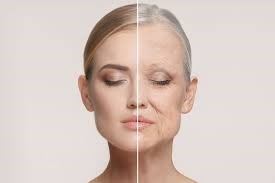
The human face does more than express emotion it may also provide early signals about underlying health conditions. From changes in the skin and eyes to shifts in lip color or facial hair patterns, medical experts say the face can reflect important clues about what is happening inside the body.
Long before the rise of modern diagnostic tools, traditional healing systems examined facial features as indicators of internal balance. While contemporary medicine does not rely on facial observation alone, growing evidence suggests that certain visible changes can correspond with nutritional deficiencies, hormonal shifts and organ function.
Health professionals caution, however, that the face is not a diagnostic tool. Instead, it should be viewed as an early warning system one that may prompt further investigation when unusual or persistent changes appear.
Early signals, not conclusions
Dermatologists and clinicians note that the skin is often the first place where internal imbalances become visible. Persistent dryness, unusual pigmentation or sudden breakouts may reflect issues ranging from dehydration to hormonal fluctuations.

Similarly, the eyes can reveal more than fatigue. Yellowing of the whites, for example, may indicate liver-related concerns, while puffiness or dark circles could be linked to sleep quality, stress or fluid retention.
Changes in the lips including cracking, discoloration or swelling may also point to vitamin deficiencies or allergic reactions. In some cases, variations in facial hair growth patterns can signal hormonal imbalances, particularly in women.
Bridging traditional insight and modern science
While traditional practices such as face mapping have long associated specific facial zones with internal organs, modern medicine approaches these ideas with caution. Experts emphasize that although some correlations exist, they are not always precise or universally applicable.
“Facial changes can offer useful clues, but they must be interpreted in context,” health professionals advise. “No single sign should be taken as confirmation of a medical condition.”
Awareness as a preventive tool
Medical experts encourage individuals to become more observant of gradual or unusual changes in their appearance. Recognizing patterns such as recurring skin issues, persistent puffiness or unexplained discoloration can help individuals seek timely medical advice.
At the same time, specialists warn against self-diagnosis based solely on appearance. A comprehensive evaluation, including medical history and laboratory testing, remains essential for accurate diagnosis and treatment.
Looking beyond appearance
Ultimately, the face should be seen not just as a reflection of outward beauty, but as a potential window into overall well-being. By paying closer attention to subtle changes, individuals may gain earlier awareness of health concerns and take proactive steps toward addressing them.
In this way, the face becomes less about aesthetics and more about insight, offering quiet signals that, when carefully observed, can support better health outcomes.