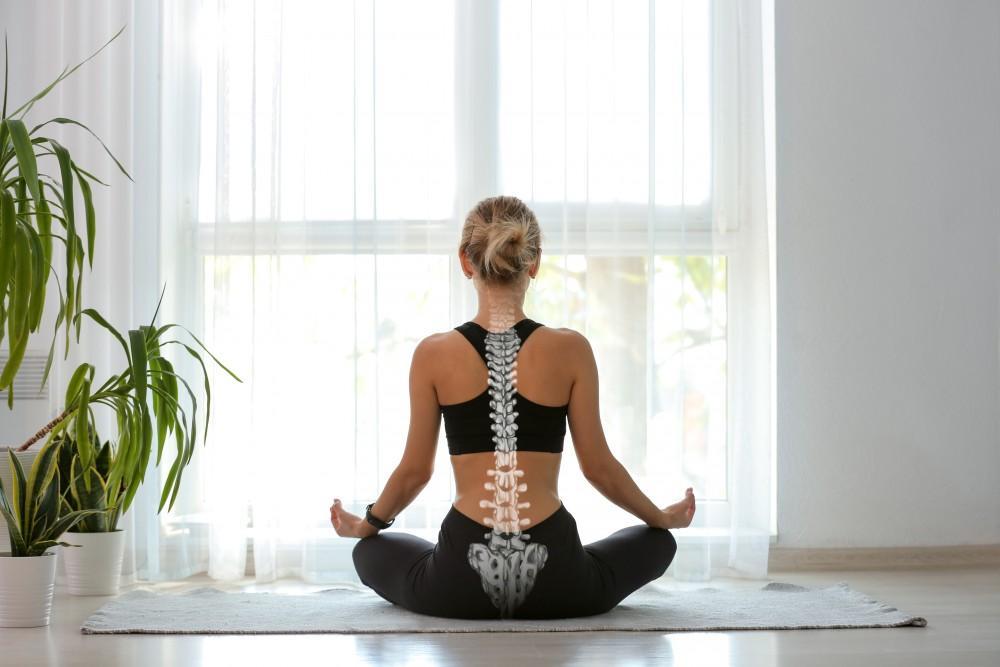
Good posture is often overlooked, but physical therapists warn that it plays a crucial role in overall health, influencing everything from mobility to long-term musculoskeletal comfort.
According to specialists, the way the body is positioned throughout the day directly affects how muscles, joints, and bones function. Poor posture, especially when sustained over long periods, can gradually lead to pain, stiffness, and reduced physical performance.
Posture as a Core Health Indicator
Physical therapists note that posture is typically one of the first things assessed during treatment of musculoskeletal conditions. Whether dealing with back pain, neck strain, or joint discomfort, how a person holds their body daily is often a contributing factor.
Misalignment places uneven pressure on the body, forcing muscles and bones to work harder against gravity. Over time, this imbalance can increase the risk of injury and chronic pain.

Common Posture Problems
Experts identify several common postural issues linked to daily habits:
Sitting posture issues:
A frequent condition involves forward head positioning, rounded shoulders, and an overly curved upper back. This posture pattern places strain on the neck and upper spine. Correction involves sitting with feet flat on the ground, keeping the head aligned, and gently drawing the shoulder blades back.
Standing posture issues:
Another common imbalance occurs in the lower back and pelvis, where excessive arching and forward pelvic tilt weaken core and glute muscles while tightening the hips and thighs. Proper alignment requires keeping feet hip-width apart, maintaining a neutral pelvis, and avoiding locked knees.
Sleeping posture issues:
Poor sleep positioning can also contribute to pain in the neck and spine. Side sleeping with a pillow between the knees or back sleeping with knee support is generally recommended. Experts advise against stomach sleeping due to added strain on the neck and lower back.
Stretching and Strengthening Must Work Together
Therapists emphasise that posture correction depends on a balance between stretching and strengthening exercises.
Stretching helps lengthened or tight muscles regain flexibility, while strengthening builds support in key muscle groups such as the core, hips, shoulders, and legs. One without the other can lead to imbalance, discomfort, or further stiffness.
Proper stretching should be controlled and focused, holding positions for 15 to 30 seconds while maintaining alignment and steady breathing. Strengthening exercises, on the other hand, should be consistent but not painful, allowing muscles to build endurance over time.
The Importance of Regular Movement
Experts stress that even perfect posture becomes harmful when maintained for too long. Extended sitting, even in ergonomic positions, can still lead to stiffness and discomfort.
Health professionals recommend checking posture frequently and taking movement breaks at least every 30 minutes. Regular activity helps prevent muscle tightness and improves circulation.
“The human body is not designed for long periods of stillness,” therapists note, adding that movement is essential for maintaining healthy alignment.
A Foundation for Long-Term Health
Ultimately, experts say good posture is not about rigid positioning but about awareness, balance, and movement. Combined with regular exercise and mindful habits, proper alignment can significantly reduce pain and improve quality of life.
They conclude that the body adapts to how it is used daily meaning consistent attention to posture can help individuals stay active, mobile, and free from unnecessary physical limitations.