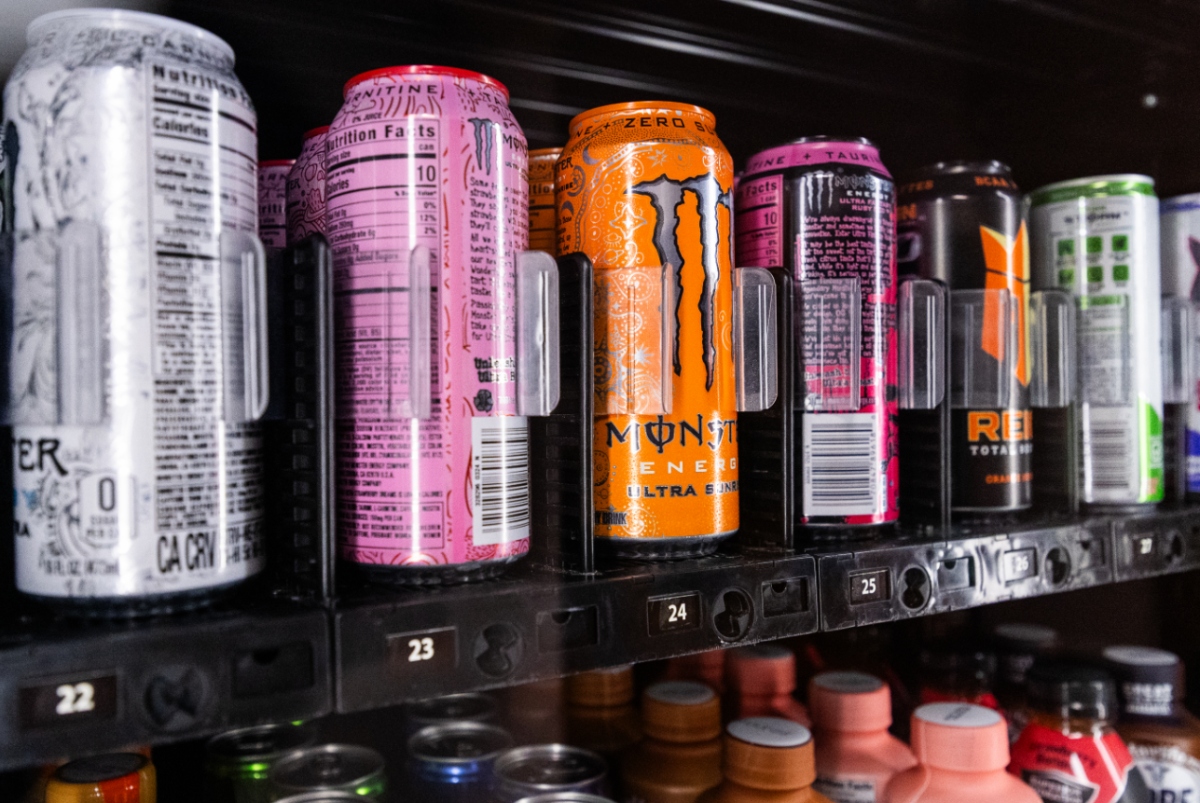
Energy drinks are widely marketed as quick fixes for fatigue, promising instant alertness and improved performance. Yet, many consumers report feeling even more exhausted after the initial boost wears off. Health experts are increasingly examining this paradox, pointing to the physiological effects of caffeine, sugar, and other stimulants as key contributors to what is often described as an “energy crash.”
The Illusion of Instant Energy
Most energy drinks rely heavily on caffeine and sugar to produce a rapid surge in energy. Caffeine stimulates the central nervous system by blocking adenosine, a chemical responsible for promoting sleep and relaxation. This temporary effect creates a sense of alertness and reduced fatigue.
However, once the caffeine begins to wear off, the body experiences a rebound effect. Adenosine levels rise again, often more noticeably, leading to increased feelings of tiredness. This sudden drop in energy can leave individuals feeling more fatigued than before consuming the drink.
Sugar Highs and Crashes
Many energy drinks contain high levels of added sugars. While sugar can provide a quick source of fuel, it often leads to rapid spikes in blood glucose levels. The body responds by releasing insulin to bring these levels back down.

This process can result in a sharp decline in blood sugar, commonly referred to as a “sugar crash.” Symptoms may include fatigue, irritability, difficulty concentrating, and even headaches. For frequent consumers, this cycle can repeat multiple times a day, placing strain on the body’s energy regulation systems.
Disrupted Sleep Patterns
One of the less obvious effects of energy drinks is their impact on sleep quality. Caffeine can remain in the bloodstream for several hours, reducing the ability to fall asleep or stay asleep.
Poor sleep not only contributes to next-day fatigue but also creates a cycle of dependency. Individuals may turn to more energy drinks to compensate for sleep deprivation, further worsening the problem.
Dehydration and Fatigue
Some energy drinks have mild diuretic effects due to their caffeine content. Increased urination can contribute to dehydration, especially when fluid intake is not adequately balanced. Dehydration is a well-known cause of fatigue, reduced concentration, and low physical performance.
Tolerance and Diminishing Returns
Regular consumption of energy drinks can lead to caffeine tolerance. Over time, the body becomes less responsive to the same amount of caffeine, requiring higher doses to achieve the same effect.
This not only increases the risk of side effects such as anxiety and heart palpitations but also reduces the perceived energy boost, leaving individuals feeling persistently tired despite increased intake.
Hidden Ingredients and Overstimulation
In addition to caffeine and sugar, many energy drinks contain other stimulants such as taurine, guarana, and B vitamins. While these ingredients may enhance the initial energy surge, their combined effects can overstimulate the body.
This overstimulation is often followed by a period of fatigue as the body attempts to return to its normal state, contributing to the overall feeling of exhaustion.
Healthier Alternatives for Sustained Energy
Rather than relying on energy drinks, maintaining consistent energy levels requires a more balanced approach. Key strategies include:
- Prioritizing quality sleep
- Eating regular, nutrient-rich meals
- Staying adequately hydrated
- Engaging in regular physical activity
- Managing stress effectively
These habits support the body’s natural energy systems without the risk of crashes or dependency.
Conclusion
While energy drinks may offer a temporary boost, their long-term effects can leave individuals feeling more fatigued than before. The cycle of stimulation and crash, combined with disrupted sleep and potential dehydration, highlights the need for greater awareness around their use. Sustainable energy, health experts emphasize, is best achieved through consistent lifestyle habits rather than quick fixes.