


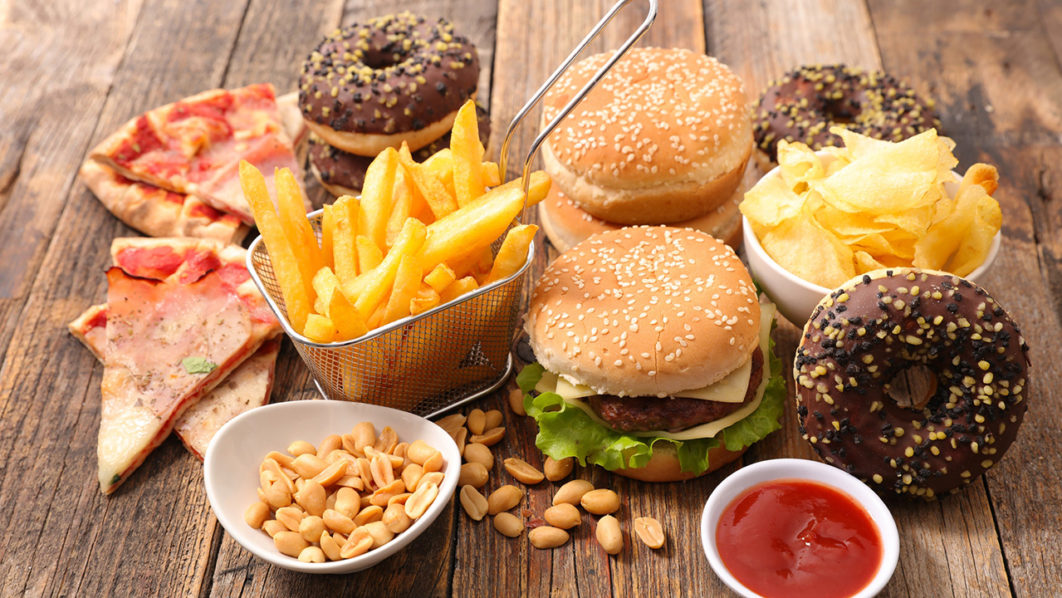
A new trend in nutrition labeling is shifting the focus from simple calorie counts to how processed a food item is, offering consumers a clearer picture of its health impact. The system, known as the UPF Rating, stands for Ultra-Processed Food and categorizes foods based on the degree of industrial processing rather than just their nutrient content.
Traditionally, food labels have emphasized calories, fat, sugar, and salt content. While this information is important, researchers argue that it doesn’t fully capture how certain foods affect health. Highly processed foods often containing additives, preservatives, and artificial ingredients have been linked to increased risks of obesity, Type 2 Diabetes, heart disease, and other chronic conditions.
The UPF rating provides a scale that helps consumers identify foods that have undergone extensive industrial processing. Whole or minimally processed foods, such as fresh fruits, vegetables, nuts, and grains, score low on the UPF scale. In contrast, packaged snacks, sugary drinks, ready-to-eat meals, and many fast-food items score high, indicating higher levels of processing.
Health experts say this approach can make it easier for people to make informed choices. By highlighting the degree of processing, labels can guide shoppers toward foods that are closer to their natural state, which tend to be more nutrient-dense and less likely to contribute to chronic disease.

The move toward UPF labeling also reflects a growing understanding that not all calories are equal. Two foods with the same calorie content can have very different effects on metabolism, satiety, and long-term health depending on their processing level.
As governments and regulatory bodies explore updating labeling standards, consumers may soon see UPF scores alongside traditional nutrition facts. The goal is to empower people with clearer information so they can choose foods that support long-term health, rather than relying solely on calories as a measure of “good” or “bad” foods.
This change marks a shift toward a more holistic view of nutrition one that considers both what is in food and how it is made.

