


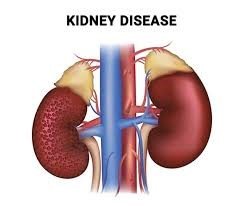
Kidney disease often develops silently, with many people experiencing few or no symptoms in its early stages. Because the kidneys can continue to function even when partially damaged, the condition may go unnoticed until significant damage has occurred.
Health experts say recognising the early warning signs and seeking prompt medical care can help slow the progression of kidney disease and reduce the risk of serious complications.
What Is Kidney Disease?
The kidneys are two bean-shaped organs located on either side of the spine. They filter waste products and excess fluid from the blood, regulate blood pressure, balance minerals, and help produce hormones that support healthy bones and red blood cells.
Kidney disease occurs when the kidneys become damaged and can no longer perform these functions effectively.

1. Persistent Fatigue
Healthy kidneys help produce a hormone that stimulates the production of red blood cells.
When the kidneys are damaged, this hormone may decrease, leading to anaemia and causing constant tiredness, weakness, and difficulty concentrating.
2. Swelling of the Feet, Ankles or Face
Damaged kidneys may struggle to remove excess fluid and sodium from the body.
This can lead to swelling, especially in the:
- Feet.
- Ankles.
- Legs.
- Hands.
- Face.
3. Changes in Urination
Changes in urination are among the earliest signs of kidney disease.
These may include:
- Urinating more often, especially at night.
- Passing less urine than usual.
- Foamy or bubbly urine.
- Dark or bloody urine.
- Difficulty passing urine.
4. Blood in the Urine
Healthy kidneys normally prevent blood cells from entering the urine.
Blood in the urine may indicate kidney disease, kidney stones, a urinary tract infection, or another medical condition that requires prompt evaluation.
5. Persistent Puffiness Around the Eyes
Protein leaking into the urine may reduce protein levels in the blood, leading to swelling around the eyes.
This can be an early sign that the kidneys are not filtering blood properly.
6. Loss of Appetite
As waste products build up in the blood due to reduced kidney function, people may experience:
- Poor appetite.
- Nausea.
- Unexplained weight loss.
These symptoms often become more noticeable as kidney disease progresses.
7. Muscle Cramps
Kidney disease can disrupt the balance of minerals such as calcium, phosphorus, and potassium.
These imbalances may contribute to frequent muscle cramps.
8. Dry, Itchy Skin
Healthy kidneys help maintain the body’s balance of minerals and nutrients.
Persistent itching or very dry skin may develop when kidney disease affects this balance.
9. High Blood Pressure
High blood pressure is both a cause and a complication of kidney disease.
Poorly controlled blood pressure can damage the kidneys over time, while damaged kidneys can make blood pressure even harder to control.
10. Difficulty Concentrating
The buildup of waste products in the blood and anaemia caused by kidney disease may reduce oxygen delivery to the brain, leading to poor concentration, memory problems, and mental fatigue.
Who Is Most at Risk?
The risk of kidney disease is higher in people with:
- Diabetes.
- High blood pressure.
- A family history of kidney disease.
- Heart disease.
- Obesity.
- Smoking.
- Age over 60 years.
How Is Kidney Disease Diagnosed?
A healthcare provider may recommend:
- Blood tests to measure kidney function.
- Urine tests to detect protein or blood.
- Blood pressure checks.
- Kidney ultrasound in some cases.
Early testing can identify kidney disease before symptoms become severe.
Can Kidney Disease Be Prevented?
Health experts recommend:
- Keeping blood pressure and blood sugar under control.
- Drinking enough water.
- Eating a balanced diet low in excess salt.
- Exercising regularly.
- Avoiding smoking.
- Limiting unnecessary use of painkillers such as non-steroidal anti-inflammatory drugs (NSAIDs), which can harm the kidneys when overused.
When Should You See a Doctor?
Seek medical advice if you notice:
- Blood in your urine.
- Persistent swelling.
- Changes in urination.
- Ongoing fatigue.
- High blood pressure that is difficult to control.
Early diagnosis and treatment can help slow kidney damage and improve long-term health.
The Bottom Line
Kidney disease often develops without obvious symptoms, making early recognition especially important. Persistent fatigue, swelling, changes in urination, blood in the urine, and high blood pressure are warning signs that should not be ignored. Regular health check-ups and healthy lifestyle habits can help protect kidney function and reduce the risk of chronic kidney disease.
Disclaimer: This article is for informational purposes only and should not replace professional medical advice. Anyone experiencing symptoms of kidney disease should consult a qualified healthcare professional for proper evaluation and treatment.




