


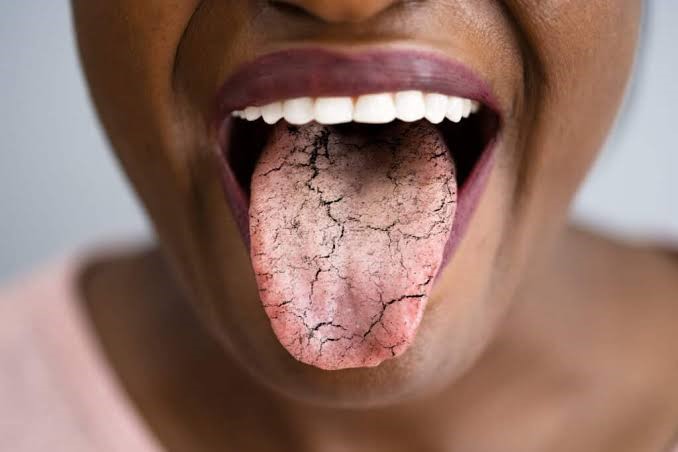
Dehydration occurs when the body loses more fluids than it takes in, leaving it without enough water to carry out normal functions. Although mild dehydration can often be corrected by increasing fluid intake, severe dehydration can become a medical emergency if left untreated.
Water is essential for regulating body temperature, transporting nutrients, removing waste and supporting the normal functioning of organs. The body can lose fluids through sweating, urination, vomiting and diarrhoea, while hot weather and strenuous physical activity can increase fluid loss.
Recognising the early signs of dehydration can help prevent the condition from becoming severe.
1. Excessive Thirst
Increased thirst is one of the most noticeable signs that the body may need more fluids.

However, thirst does not always appear immediately when dehydration begins. This means people who are particularly vulnerable to dehydration should not rely on thirst alone to determine when to drink water.
Persistent or unusually strong thirst, especially when accompanied by other symptoms, should not be ignored.
2. Dark-Coloured Urine
Urine colour can provide a general indication of hydration.
When the body does not have enough fluid, urine may become darker and more concentrated. Pale yellow urine generally indicates adequate hydration, although urine colour can also be affected by certain foods, medications and supplements.
A persistent change in urine colour, particularly when accompanied by reduced urination, may warrant attention.
3. Urinating Less Frequently
A significant reduction in how often you urinate can occur when the body is trying to conserve water.
People who are dehydrated may notice that they produce less urine than usual. In more severe cases, urine output can become very low.
Reduced urination should be taken seriously, particularly when it occurs alongside dizziness, confusion, severe weakness or other concerning symptoms.
4. Dizziness or Lightheadedness
Dehydration can affect blood volume and circulation, potentially causing dizziness or lightheadedness.
You may feel unsteady, particularly when standing up quickly. In some cases, dehydration can contribute to fainting.
If dizziness is severe, persistent or accompanied by loss of consciousness, medical attention should be sought promptly.
5. Unusual Tiredness and Weakness
Feeling unusually weak or fatigued can also occur when the body lacks sufficient fluids.
Dehydration can affect normal circulation and physical performance, leaving a person feeling exhausted even after relatively little activity.
If unexplained fatigue persists despite adequate fluid intake and rest, however, dehydration may not be the only possible cause and medical evaluation may be appropriate.
6. Dry Mouth and Skin
A dry or sticky mouth can occur when the body does not have enough fluid.
The lips and tongue may also feel unusually dry. Some people may notice that their skin appears less moist than usual.
While these signs can occur with dehydration, dry skin and mouth can also have other causes, so they should be considered alongside other symptoms.
7. Headache
Dehydration can sometimes trigger headaches.
A lack of adequate fluid may affect normal body functions and contribute to headache symptoms, particularly after prolonged sweating, vomiting or diarrhoea.
However, headaches have many possible causes. A severe or sudden headache should not automatically be attributed to dehydration.
Who Is More Vulnerable to Dehydration?
Anyone can become dehydrated, but some people face a greater risk.
These include:
- Infants and young children
- Older adults
- People exercising or working in hot environments
- People experiencing vomiting or diarrhoea
- Individuals with certain medical conditions
- People who have difficulty accessing or drinking enough fluids
Hot weather can also increase fluid loss through sweating, making adequate hydration particularly important.
What Can Cause Dehydration?
Dehydration can occur when the body loses excessive amounts of fluid or when a person does not consume enough fluids.
Common causes include:
- Heavy sweating
- Vomiting
- Diarrhoea
- Fever
- Prolonged physical activity
- Exposure to very hot weather
- Insufficient fluid intake
People who are ill may be particularly vulnerable because fever, vomiting or diarrhoea can rapidly increase fluid loss.
How Can You Prevent Dehydration?
Regular fluid intake is important for maintaining adequate hydration.
People can help reduce their risk by drinking fluids regularly throughout the day and increasing intake when exercising or spending extended periods in hot conditions.
During episodes of significant vomiting or diarrhoea, oral rehydration solutions may be recommended because they help replace both fluids and important electrolytes. A healthcare professional can provide appropriate guidance, particularly for children and vulnerable individuals.
It is also important to avoid relying exclusively on sugary drinks to meet hydration needs.
When Does Dehydration Become an Emergency?
Severe dehydration can be dangerous and requires urgent medical attention.
Warning signs can include confusion, extreme weakness, fainting, inability to keep fluids down, very little or no urination, rapid breathing or a rapid heartbeat.
Young children and older adults can deteriorate quickly, so severe symptoms should not be ignored.
Conclusion
Dehydration is common and can often be prevented by maintaining adequate fluid intake, particularly during hot weather, illness or physical activity.
Excessive thirst, dark urine, reduced urination, dizziness, unusual fatigue, dry mouth and headaches can be possible warning signs that the body needs more fluids.
However, these symptoms can also have other causes. If symptoms are severe, persistent or worsening, it is important to seek medical advice rather than assuming dehydration is responsible.
Disclaimer: This article is for educational and informational purposes only and does not replace professional medical advice, diagnosis or treatment. Anyone experiencing severe symptoms of dehydration or other concerning health problems should seek prompt medical attention.




