
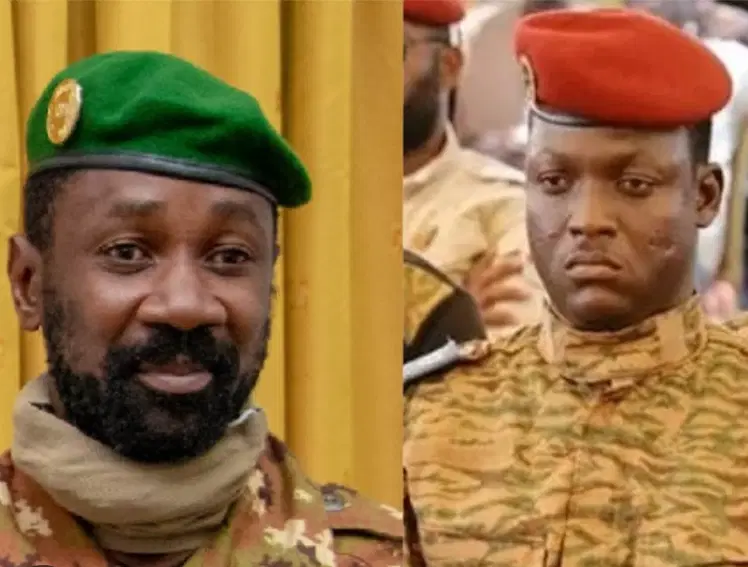
Mali and Burkina Faso have announced plans to bar United States citizens from entering their countries, a retaliatory response to the expanded travel ban imposed by the administration of US President Donald Trump.
Both Sahel nations were recently included on Washington’s list of countries facing full entry restrictions, a decision they described as unilateral and disrespectful.
In separate statements released by their foreign ministries, Bamako and Ouagadougou said they would apply the same measures to American nationals in line with the principle of reciprocity.
Burkina Faso’s Foreign Affairs Minister, Karamoko Jean-Marie Traoré, said the move was guided by “reciprocity and national dignity,” while Mali’s Ministry of Foreign Affairs stressed the importance of mutual respect and sovereign equality in international relations.
Mali also expressed disappointment that the US decision was taken without prior consultation, noting that such actions undermine diplomatic engagement.
The coordinated response follows a similar announcement by neighbouring Niger, which earlier declared its intention to impose entry restrictions on US citizens.
Mali, Burkina Faso and Niger are all currently governed by military-led administrations that came to power through coups. In recent years, the three countries have withdrawn from regional blocs and strengthened ties with Russia, amid deteriorating relations with Western governments and some West African states.
Earlier this month, the White House confirmed that full travel restrictions would take effect from January 1, affecting nationals of Mali, Burkina Faso, Niger, South Sudan, Syria and holders of Palestinian Authority passports. The US government said the policy was aimed at protecting national security.
The administration also upgraded Laos and Sierra Leone from partial to full bans, while imposing limited entry restrictions on 15 other countries, including Nigeria, Tanzania and Zimbabwe.
The escalating exchange marks a further strain in already fragile relations between Washington and the military-led Sahel states.