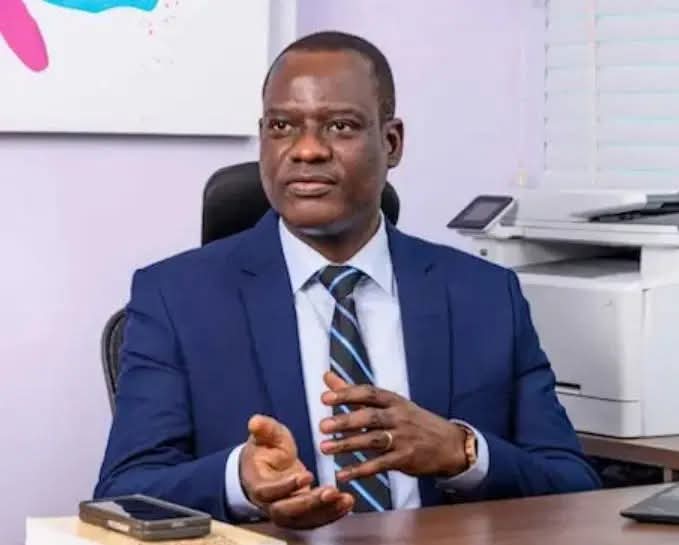
(DDM) – The Chairman of the Presidential Committee on Fiscal Policy and Tax Reforms, Mr. Taiwo Oyedele, has raised serious concerns about Nigeria’s personal income tax system, describing it as inequitable and unsustainable.
DDM gathered that Oyedele revealed approximately 96 percent of personal income tax collected in Nigeria historically comes from low-income earners, highlighting a structural imbalance in the country’s tax administration.
He explained that the disproportionate burden on low-income workers undermines social equity, discourages compliance, and places an excessive financial strain on the most vulnerable segments of society.
According to Oyedele, the current tax framework allows higher-income earners to contribute relatively little, which not only reduces the fairness of the system but also limits the government’s ability to mobilize adequate revenue from those with greater capacity to pay.
Economic experts noted that such a skewed tax structure can exacerbate poverty, widen income inequality, and create public resentment toward taxation policies.

Oyedele argued that reforming the personal income tax system is essential for achieving fiscal sustainability, promoting fairness, and ensuring that tax burdens are equitably shared across different income groups.
The chairman emphasized that tax policy should focus on capacity to pay, with progressive taxation mechanisms that allow high-income earners to contribute proportionally more to national revenue.
He further revealed that previous tax collection patterns indicate systemic challenges in enforcement, compliance, and taxpayer education, which disproportionately affect low-income earners while leaving loopholes for wealthier individuals.
Observers suggested that addressing these imbalances is crucial as Nigeria seeks to expand its revenue base, improve public services, and strengthen economic development initiatives without overburdening vulnerable citizens.
Oyedele also highlighted the need for transparency, accountability, and citizen engagement in the reform process, urging government agencies to consult widely and design policies that balance revenue needs with social justice.
He warned that failure to reform the system could lead to growing public disillusionment, reduced tax morale, and a widening gap between the rich and the poor in Nigeria.
Analysts noted that progressive taxation has been successfully implemented in other countries to ensure fairness, increase government revenue, and support social programs, providing a potential model for Nigeria to emulate.
The chairman concluded by stressing that the reform of Nigeria’s personal income tax system is not merely an administrative issue but a fundamental step toward economic equity, fiscal sustainability, and national development.