


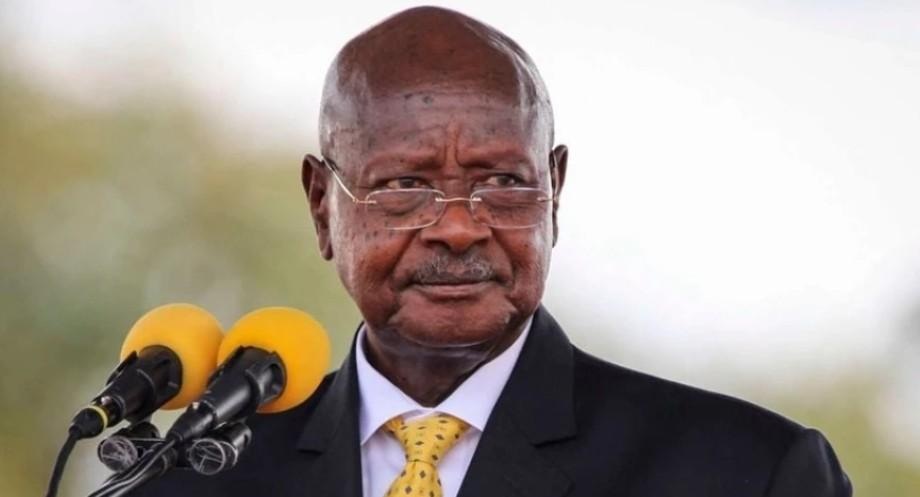
At least seven people were killed in overnight violence in central Uganda following presidential and parliamentary elections expected to extend President Yoweri Museveni’s rule deeper into a fifth decade, according to police authorities.
Preliminary results released by Uganda’s Electoral Commission showed Museveni, 81, securing more than 75 percent of the votes counted from about 59 percent of polling stations.
His closest challenger, opposition figure and popular musician Bobi Wine, trailed with roughly 21 percent, while the remaining votes were shared among six other candidates.
Although voting on Thursday was largely peaceful, tensions escalated hours later in Butambala, a town located southwest of Kampala.

Police and local political figures offered conflicting accounts of the deadly incident.
Police spokesperson Lydia Tumushabe said groups she described as armed opposition supporters attacked a police station and a vote-tallying centre, prompting security forces to respond with force.
She said officers fired in self-defence and confirmed that 25 people were arrested during the operation.
However, a sharply different version was provided by the area’s lawmaker, Muwanga Kivumbi, who said the victims were killed inside his residence in the early hours of the morning while awaiting the announcement of parliamentary results.
According to him, security forces stormed the property and opened fire on civilians gathered in a garage, describing the incident as a massacre.
Police authorities said they were not aware of any such incident at the lawmaker’s residence.
Independent verification of the circumstances surrounding the violence was not immediately possible.
The elections were widely viewed as a critical test of Museveni’s political dominance amid growing regional unrest and domestic pressure.
The campaign period was marked by repeated clashes at opposition rallies and allegations of intimidation, with international observers raising concerns about the political environment.
Bobi Wine has alleged widespread electoral fraud and criticised the government’s decision to impose an internet blackout during voting.
His party later claimed that security forces surrounded his residence in Kampala, effectively placing him under house arrest. Police officials said they had no information confirming such action.
As counting continues, the violence has cast a shadow over the credibility of the electoral process and raised fresh concerns about political stability in the East African nation.




