


(DDM) – Toothaches can disrupt daily life, making even simple activities like eating or speaking uncomfortable.
Pain often arises from tooth decay, cavities, gum infections, or dental sensitivity.
Although professional dental care provides the most effective long-term solution, certain home remedies can temporarily reduce discomfort while patients wait for treatment.
Rinsing the mouth with warm saltwater remains one of the most widely recommended methods.

Salt helps reduce inflammation, kills some bacteria, and eases pain in the affected tooth and surrounding gums.
Applying a cold compress or ice pack to the outside of the cheek can numb pain and minimize swelling.
Over-the-counter painkillers, including ibuprofen or acetaminophen, can further provide temporary relief.
Clove oil, a natural analgesic, can be applied directly to a painful tooth to dull the sensation of pain.
Some people find relief by gently applying garlic, known for its antibacterial properties, to the affected area.
Maintaining oral hygiene is essential even during tooth pain.
Brushing gently, flossing daily, and avoiding sugary or acidic foods can prevent further deterioration until professional care is available.
However, dental professionals caution that home remedies only treat symptoms, not the underlying cause.
Relying exclusively on these methods can allow infections or decay to worsen, potentially leading to severe complications like abscesses or tooth loss.
Persistent pain, swelling, pus discharge, or bleeding signals urgent need for dental evaluation.
Ignoring these warning signs can result in infections spreading to other parts of the body, including the jaw, sinuses, or even bloodstream.
Parents should especially monitor children, as untreated cavities or infections can affect permanent teeth and overall health.
Pregnant women, immunocompromised individuals, and the elderly face higher risks if tooth infections are neglected.
While home remedies provide short-term comfort, they should never replace professional assessment.
Scheduling an appointment with a licensed dentist ensures proper diagnosis, treatment, and prevention of long-term oral health issues.
Dental care professionals emphasize that early intervention is crucial.
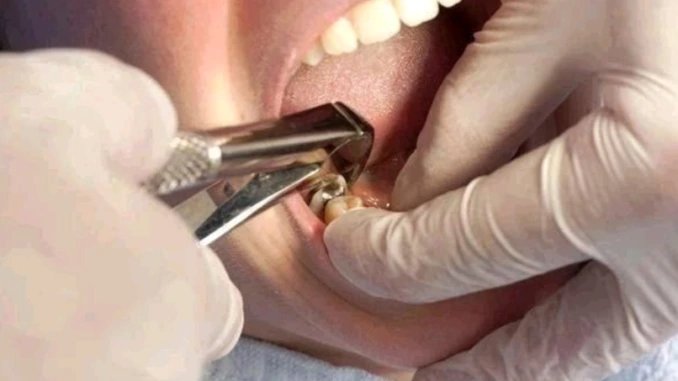
Treating decay, repairing cavities, or managing gum infections promptly can prevent extensive procedures like root canals or extractions later.
In summary, home remedies, warm saltwater, cold compresses, clove oil, and careful hygiene, can alleviate toothache pain temporarily, but they do not cure the underlying cause.
Patients must combine symptom relief with professional dental care to avoid serious, potentially dangerous complications.




