


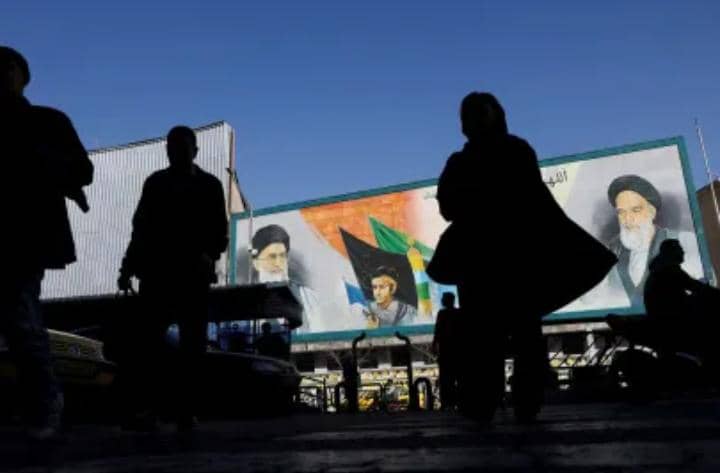
(DDM) – Fresh protests have broken out in Tehran as diplomatic tensions rise between the United States and Iran over the latter’s nuclear program.
Demonstrations were reported at several universities across the Iranian capital for a second consecutive day.
The unrest comes amid renewed pressure from Washington over Tehran’s nuclear ambitions.
Speaking in a televised interview, US special envoy Steve Witkoff said President Donald Trump is “curious” why Iran has not yet agreed to scale back its nuclear activities.
Witkoff made the remarks during an appearance on Fox News.
He said the president understands that the United States has multiple strategic options available.
However, he suggested that Trump questions why Tehran has not responded more decisively under mounting pressure.
“I don’t want to use the word ‘frustrated,’ because he understands he has plenty of alternatives,” Witkoff stated.
He added that Trump is curious as to why Iranian leaders have not moved closer to what he described as capitulation.
Witkoff emphasized the significant American naval presence in the region.
He questioned why Iranian officials have not formally assured the United States that they do not intend to pursue nuclear weapons.
According to him, Washington expects clearer commitments and concrete steps from Tehran.
The interview was recorded on Thursday and broadcast amid reports of ongoing protests.
While details of the demonstrations remain limited, student-led gatherings have historically played a visible role in Iranian political expression.
Iran has long insisted that its nuclear program is for peaceful energy purposes.
Western governments, however, have repeatedly raised concerns about uranium enrichment levels and inspection transparency.
The issue has fueled years of negotiations, sanctions, and diplomatic standoffs.
The 2015 nuclear agreement sought to limit Iran’s nuclear activities in exchange for sanctions relief.
That deal later unraveled, leading to renewed tensions between Washington and Tehran.
Analysts say the current climate reflects a broader geopolitical struggle in the Middle East.
Military deployments and economic sanctions have been key tools used by the United States in its pressure campaign.
Iranian authorities have often responded by asserting national sovereignty and rejecting external pressure.
Observers warn that continued escalation could further strain regional stability.
As protests continue in Tehran and diplomatic rhetoric intensifies, the situation underscores the fragile balance between negotiation and confrontation in US-Iran relations.




