


(DDM) – As the ENABLE 1.5 Project enters its closing phase, partners are celebrating a major operational milestone in Nigeria’s fight against Lassa fever.
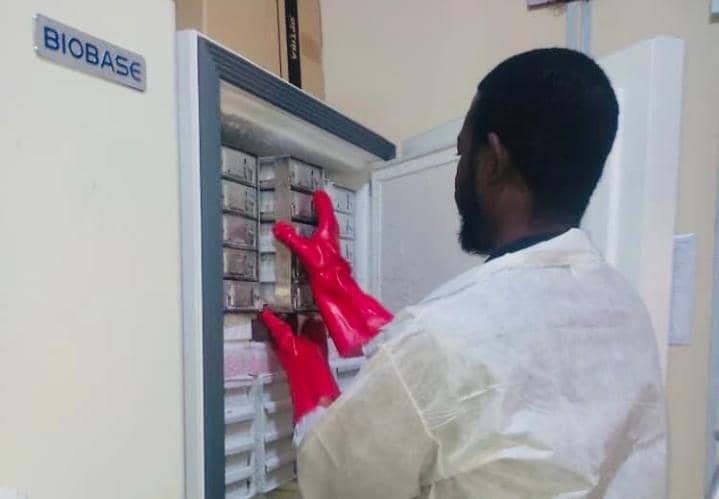
Following thorough accountability checks conducted by the Compliance Partner across the three ENABLE study sites, more than 4,900 clinical samples have now been successfully transported from the Irrua Specialist Teaching Hospital and the Federal Medical Centre Owo to the National Reference Laboratory Gaduwa for detailed serological analysis.
The shipments represent months of coordinated fieldwork, laboratory documentation, and strict cold-chain logistics designed to preserve sample integrity for high-quality scientific evaluation.
Serological analysis at the National Reference Laboratory in Gaduwa will help researchers better understand immune responses linked to Lassa virus exposure, providing critical data for vaccine research and outbreak preparedness.

ENABLE 1.5, supported by global health partners including the Coalition for Epidemic Preparedness Innovations, was established to strengthen research infrastructure and accelerate evidence generation for Lassa fever vaccine development.
Lassa fever, an acute viral hemorrhagic illness endemic in parts of West Africa, continues to pose serious public health challenges in Nigeria, where seasonal outbreaks place pressure on treatment centers and disease surveillance systems.
The movement of over 4,900 samples marks not just a logistical achievement but a scientific advancement, as each properly catalogued specimen contributes to a clearer epidemiological picture of disease transmission and immunity patterns.
Project stakeholders say the milestone underscores the importance of compliance monitoring, cross-institutional coordination, and strong laboratory systems in conducting ethically sound and scientifically robust studies.
Public health experts emphasize that generating reliable serological data is essential to informing vaccine trial design, guiding policy decisions, and strengthening Nigeria’s preparedness against future outbreaks.
As ENABLE 1.5 winds down, partners maintain that progress against Lassa fever depends on sustained collaboration among research institutions, treatment centers, regulatory agencies, and global funders.
The milestone serves as a reminder that combating infectious diseases requires shared responsibility, consistent investment, and evidence-driven strategies grounded in partnership.




