


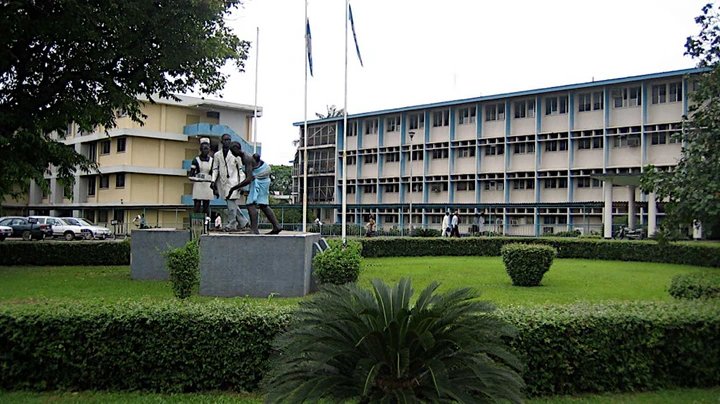
(DDM) – Lagos University Teaching Hospital has launched Nigeria’s first-ever immunotherapy clinical trial for colorectal cancer, marking a major milestone in the country’s expanding cancer research and treatment capacity.
The groundbreaking study is being conducted in collaboration with MedServe Cancer Centre and several local and international partners, signaling a new chapter in Nigeria’s fight against one of the world’s deadliest cancers.
The Chief Medical Director of LUTH, Wasiu Adeyemo, announced the development during a media briefing, describing it as a landmark achievement built on years of strategic planning and investment.
He explained that the hospital had deliberately strengthened its infrastructure, upgraded laboratory systems and expanded specialist training to meet international clinical research standards.

Colorectal cancer, which affects the colon and rectum, has become an increasing public health concern globally.
According to the World Health Organization, colorectal cancer ranks among the leading causes of cancer-related deaths worldwide.
In Nigeria, specialists say cases are rising steadily, with more diagnoses now reported among younger patients.
Historically, cancer treatment in Nigeria has relied heavily on surgery, chemotherapy and radiotherapy.
Immunotherapy represents a newer frontier in oncology.
Unlike chemotherapy, which directly attacks cancer cells but may also damage healthy tissue, immunotherapy works by stimulating the body’s immune system to recognize and destroy cancer cells more effectively.
Medical experts believe this approach can improve survival rates and reduce severe side effects in certain categories of patients.
Adeyemo said the launch of the trial reflects LUTH’s readiness to conduct complex, globally recognized research.
He emphasized that the institution now possesses the expertise, regulatory systems and technical capabilities required to manage advanced clinical investigations.
The study is being carried out in partnership with Obafemi Awolowo University Teaching Hospitals Complex, strengthening collaboration between leading tertiary health institutions in Nigeria.
International backing is being provided by Memorial Sloan Kettering Cancer Center, which is serving as both sponsor and data coordinating centre.
Additional support is coming from the African Research Group for Oncology and the Thompson Family Foundation in the United States.
The Principal Investigator, Abdul Kareem Fatimah of LUTH’s Department of Molecular and Anatomic Pathology, outlined the scientific rationale behind the study.
She noted that colorectal cancer is no longer a disease affecting only older populations.
Emerging data suggest increasing incidence among younger Nigerians, raising urgent concerns about screening, early detection and treatment access.
Co-Principal Investigator and Project Director, Eben Aje, addressed safety considerations surrounding immunotherapy.
He explained that while immunotherapy can produce side effects, they are often less severe than those associated with conventional chemotherapy.
Comprehensive monitoring systems and ethical safeguards have been implemented to ensure patient protection throughout the study.
The clinical trial has received approval from the National Health Research Ethics Committee of Nigeria as well as LUTH’s internal Health Research Ethics Committee.
Clinical trials remain relatively limited in Nigeria compared to developed countries.
Experts say that expanding local research capacity is critical for ensuring that treatments are tested within African populations, where genetic, environmental and lifestyle factors may differ significantly from Western contexts.
Nigeria’s broader health sector continues to face infrastructure challenges, funding gaps and workforce shortages.
However, initiatives such as this immunotherapy trial reflect growing ambition to position the country as a hub for advanced medical research in West Africa.
If successful, the trial could open the door for wider adoption of immunotherapy in Nigeria and potentially reduce the need for patients to travel abroad for specialized cancer treatment.
For many cancer patients and their families, the development represents hope.
For Nigeria’s medical community, it signals a bold step toward innovation, collaboration and self-reliance in tackling one of the nation’s most pressing health challenges.




