


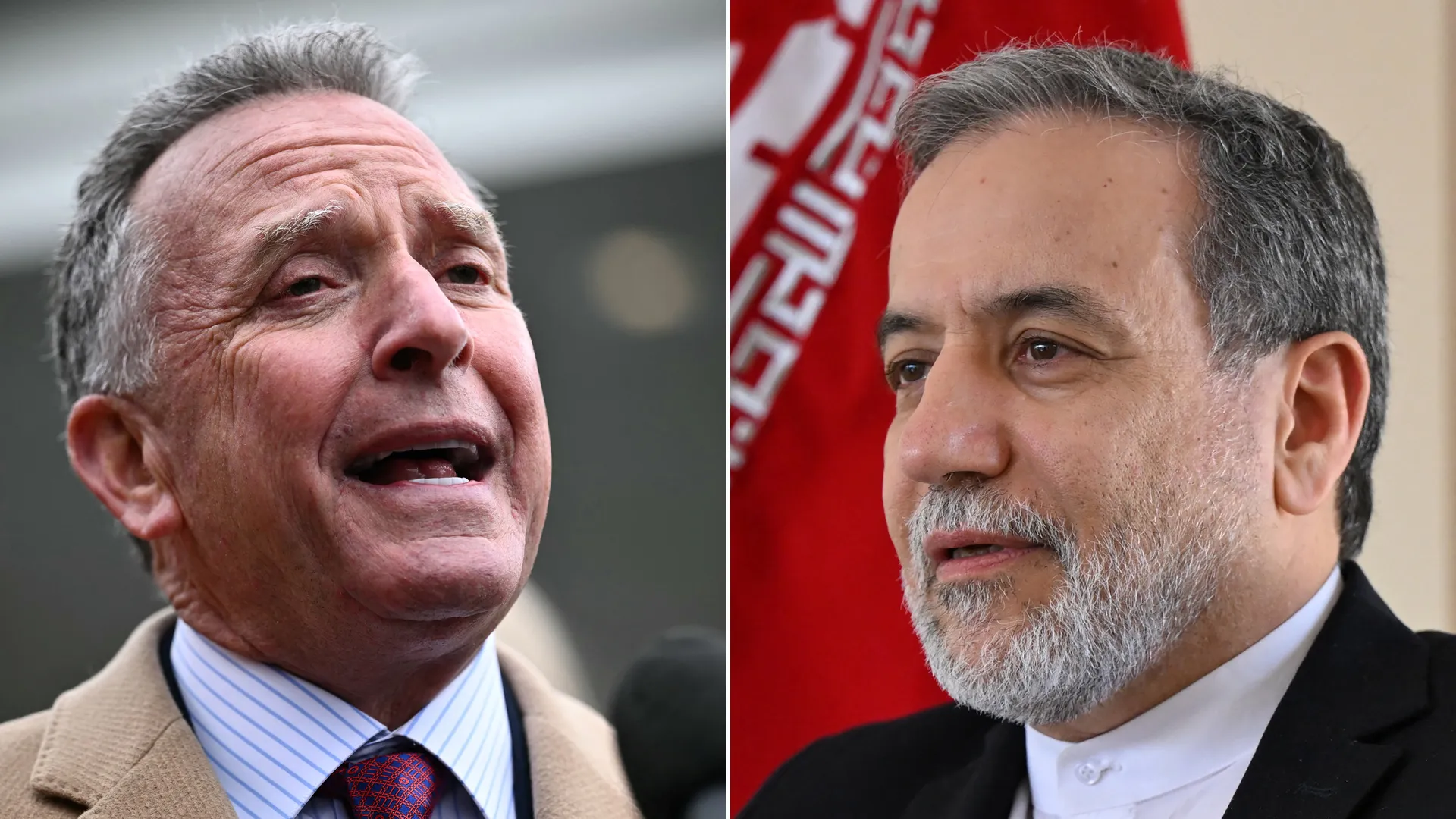
Tensions between the United States and Iran are rising again, with both sides openly warning they’re prepared for war as a fragile ceasefire inches toward its deadline.
There’s still uncertainty over whether fresh talks previously announced by Donald Trump will even happen.
The White House says Vice President JD Vance is ready to return to Islamabad for another round of negotiations.
But Iran isn’t confirming anything. In fact, officials in Tehran are accusing Washington of already undermining the truce.

Iran’s parliament speaker, Mohammad Bagher Ghalibaf, didn’t hold back.
He said the U.S. blockade of Iranian ports and the seizure of a ship amount to a breach of the ceasefire. According to him, Washington is trying to turn negotiations into a one-sided surrender.
Tehran’s message is clear: it won’t sit at the table under pressure. And behind the scenes, Iran says it’s been preparing “new cards” on the battlefield if things escalate.
The warning isn’t just talk. Iran’s Revolutionary Guards have signaled they could target ships moving through the Strait of Hormuz without approval a major threat given how critical that route is to global oil supply.
On the other side, Trump insists Iran has already violated the truce by harassing vessels in the same waters.
He’s doubled down on the U.S. naval blockade, saying it won’t end until there’s a deal one that includes major concessions from Iran on its nuclear programme.
He also made it clear time is running out. If the ceasefire expires, he warned, “lots of bombs” could start falling. And extending the truce? He says that’s unlikely.
Despite the heated rhetoric, there are still faint signs of hope. Markets reacted cautiously, with oil prices dipping slightly on expectations that talks might still happen.
But on the ground in Iran, people aren’t feeling optimistic.
Some residents in Tehran say life hasn’t really improved during the ceasefire. The economy remains strained, and there’s a growing sense that things could spiral again at any moment.
Meanwhile, the wider region is still on edge. A separate ceasefire between Israel and Lebanon is holding bfor now but tensions remain high.
Sporadic clashes continue, and both sides are accusing each other of violations.
At the heart of the US-Iran standoff is more than just military posturing. Control of the Strait of Hormuz, nuclear ambitions, and regional influence are all tangled together. And right now, none of those issues look close to being resolved.
With the deadline approaching and both sides digging in, the situation feels less like a pause and more like a countdown.




