



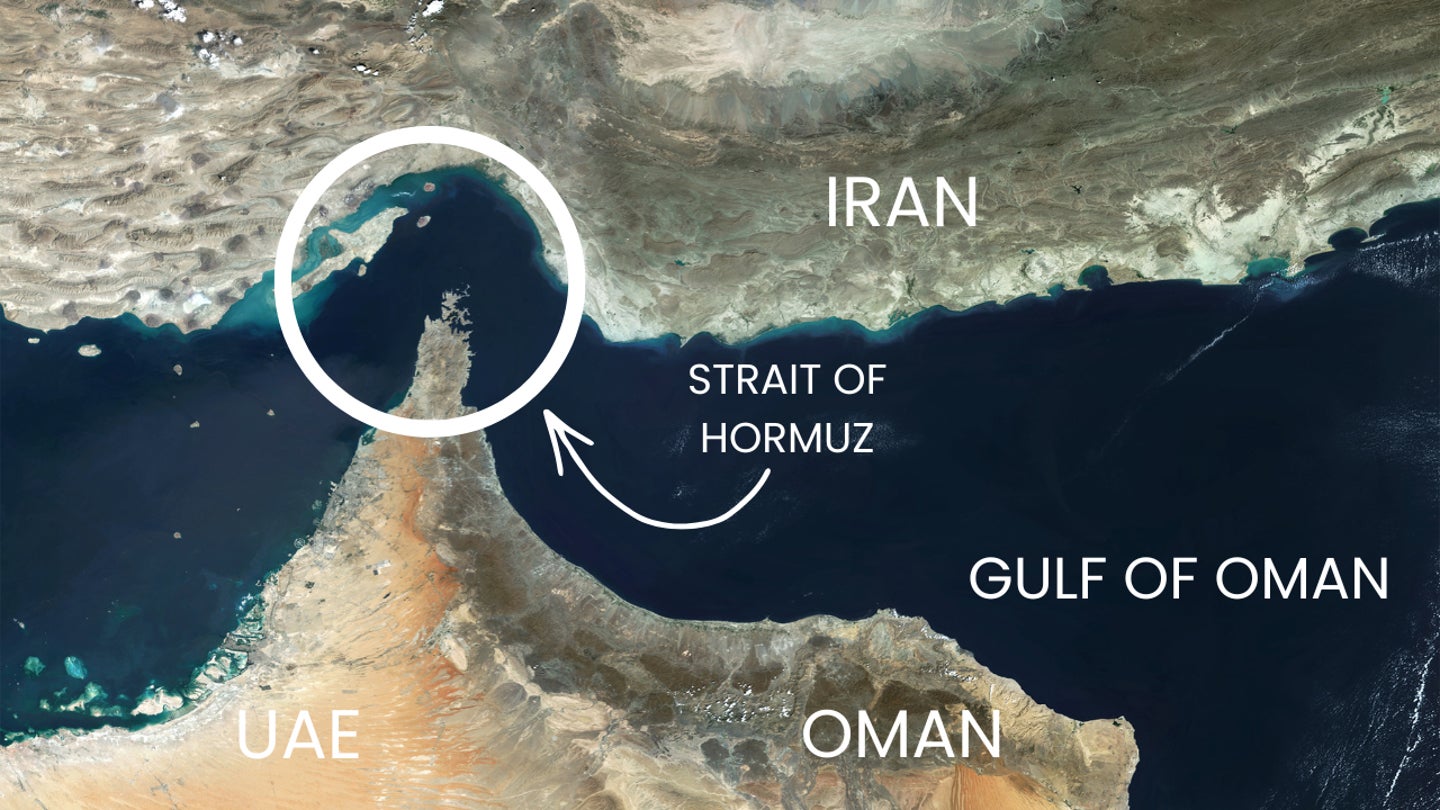
Tensions in the Gulf are rising again and this time, it’s not just about missiles or nuclear talks. It’s about control of one narrow stretch of water that carries a huge chunk of the world’s oil.
Across the region, officials are growing uneasy that ongoing talks between United States and Iran may end up focusing too narrowly on keeping the Strait of Hormuz open, rather than addressing the deeper security issues that have long worried Gulf states.
The concern is simple: what if these negotiations don’t actually reduce tensions but instead lock in Iran’s influence over one of the most critical oil routes in the world?
Some regional insiders say that’s already happening.

Instead of tackling Iran’s missile programme or its network of regional allies, discussions appear to be shifting toward uranium enrichment limits and quietly accepting Tehran’s leverage over Hormuz. For countries in the Gulf, that shift feels like a dangerous trade-off.
Roughly a fifth of global oil passes through that narrow waterway. That alone gives Iran enormous strategic weight and officials in the region fear that weight is being treated as a given, rather than something to challenge.
“It’s become the red line,” one Gulf source said bluntly. “That wasn’t always the case. Now everything seems to revolve around it.”
Part of what’s driving those fears is a growing sense that long-standing boundaries are eroding.
During the recent conflict, threats to disrupt shipping in the Strait were no longer just hypothetical they became real options. That has changed how everyone thinks about the waterway.
Even Dmitry Medvedev weighed in, describing Hormuz as a kind of “non-nuclear weapon” a tool powerful enough to shape outcomes without crossing into outright nuclear escalation.
Inside Iran, that thinking isn’t far off. Security insiders reportedly see the Strait not as a last resort, but as a carefully developed strategic asset something built into the country’s geography that can’t be taken away. One source described it as a “golden” advantage, years in the making.
Another put it more bluntly: the “sword is already drawn.”
That’s exactly what worries Gulf countries. From their perspective, the real threats missiles, drones, and proxy forces are being pushed to the sidelines, while global powers focus on keeping oil flowing and markets stable.
For them, it’s not just about who controls the Strait. It’s about who gets to decide the rules and who bears the consequences when those rules shift.
Ebtesam Al-Ketbi summed it up starkly, warning that what’s emerging isn’t a true peace deal, but something closer to a managed, long-term tension.
“This isn’t a historic settlement,” she said. “It’s the engineering of a conflict that can continue without boiling over.”
Analysts say that kind of outcome might suit both Washington and Tehran. It keeps things from spiraling while avoiding the hardest compromises.
But for Gulf states already within range of Iranian missiles it could mean living with a constant, unresolved threat.
That’s why some in the region are urging caution, especially when it comes to easing sanctions.
Instead of sweeping relief, they want a phased approach something that tests Iran’s actions over time rather than handing over concessions upfront.
There’s also a deeper frustration simmering beneath the surface. Many Gulf leaders feel they’re being left out of decisions that directly affect their security.
The war has already hit their economies, disrupted trade routes, and pushed up costs yet they’re not central to the negotiations shaping what comes next.
At the same time, they acknowledge a hard reality: the United States still plays a dominant role in regional security.
Advanced defence systems and military support have helped shield them during the conflict.
But reliance on a single protector comes with limits. The recent crisis has exposed that clearly.
As one regional analyst put it, the lesson is becoming unavoidable: you can’t outsource your security completely especially in a region where the rules are shifting, and the stakes are global.




