


(DDM) – Nigeria’s Federal Executive Council has approved nearly ₦10 billion to procure HIV drugs and upgrade cancer treatment facilities, in a move officials say will safeguard lifesaving therapies and modernize critical oncology services across the country.
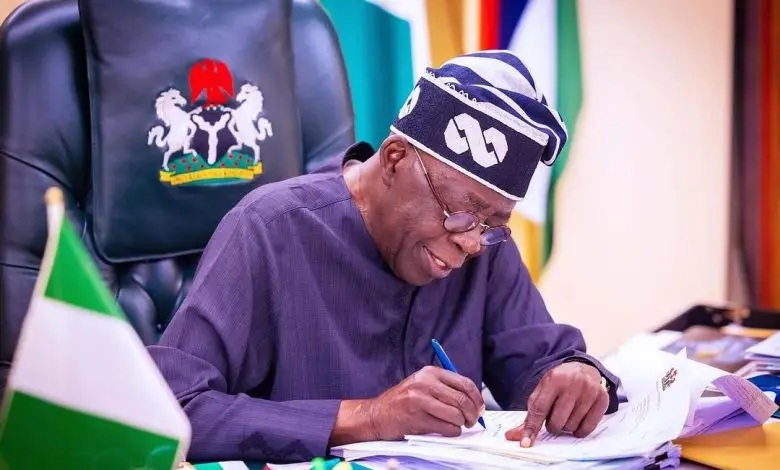
The decision was reached at a council meeting presided over by Bola Ahmed Tinubu at the State House in Abuja.
Briefing journalists after the session, Minister of State for Health and Social Welfare, Iziaq Salako, said two separate memoranda presented by the Federal Ministry of Health and Social Welfare received approval.
The first approval covers the procurement of antiretroviral drugs to sustain Nigeria’s long-standing free treatment programme for people living with HIV/AIDS.

Nigeria operates one of Africa’s largest HIV treatment programmes, providing free antiretroviral therapy to millions of citizens.
Earlier this year, concerns emerged about potential shortages of ARV drugs, raising anxiety among patients and advocacy groups.
Salako acknowledged those fears, noting that uncertainty over supply chains had triggered public concern about possible disruptions to treatment continuity.
Under the newly approved plan, a ₦9.99 billion contract has been awarded to Fixing HealthCare for the procurement of the drugs.
The minister said the approval effectively removes the threat of imminent shortages and guarantees uninterrupted access for patients enrolled in the programme.
Health experts warn that any break in antiretroviral treatment can lead to drug resistance, higher viral loads and increased risk of transmission.
Nigeria has the second-largest HIV epidemic globally, according to the World Health Organization and UNAIDS data.
Sustaining consistent access to ARVs remains central to achieving epidemic control targets.
Beyond immediate procurement, Salako said the structure of the contract aligns with President Tinubu’s broader healthcare industrialization agenda.
He explained that the project would involve collaboration between a local pharmaceutical firm and an international brand.
The goal, he said, is to gradually build domestic manufacturing capacity for antiretroviral medicines.
Nigeria currently relies heavily on imported pharmaceutical products, leaving it vulnerable to foreign exchange volatility and global supply disruptions.
Officials argue that strengthening local production could reduce long-term costs and enhance drug security.
The second council approval focuses on cancer care.
Salako said radiotherapy equipment would be replaced and upgraded in six cancer centres, with one facility selected from each of Nigeria’s six geopolitical zones.
Radiotherapy is a cornerstone of cancer treatment, often used alongside surgery and chemotherapy.
However, many public hospitals in Nigeria have struggled with outdated or non-functional radiotherapy machines.
Patients frequently face long waiting times or are forced to travel long distances for treatment.
In some cases, equipment breakdowns have led patients to seek care abroad at significant personal expense.
The approved plan includes not only equipment upgrades but also specialized training for healthcare personnel.
Experts say modern radiotherapy requires highly skilled oncologists, medical physicists and radiographers to operate safely and effectively.
Nigeria’s cancer burden has been rising steadily, driven by population growth, aging demographics and improved detection.
The World Health Organization estimates that cancer cases across Africa will increase significantly over the coming decades if preventive and treatment capacities are not strengthened.
By upgrading facilities across geopolitical zones, the government aims to decentralize access and reduce inequalities in cancer care.
Salako said the improvements would ensure that modern radiotherapy services remain functional and accessible nationwide.
Together, the two approvals reflect a dual strategy: safeguarding existing HIV treatment gains while addressing structural gaps in cancer management.
Public health analysts note that sustained funding, transparent procurement and effective implementation will determine whether the approved interventions achieve their intended impact.
For millions of Nigerians dependent on free ARVs and for families confronting cancer diagnoses, the council’s decisions carry immediate and long-term consequences.
The coming months will test how quickly the funds translate into medicines on pharmacy shelves and operational radiotherapy machines in treatment centres across the country.




