


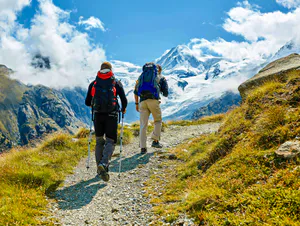
Hiking is gaining renewed attention among health professionals as an accessible form of exercise that delivers both physical and psychological benefits. By combining sustained movement with exposure to natural environments, trail-based activity offers advantages that extend beyond those typically associated with indoor or urban workouts.
A full-body workout with natural variation
Unlike structured gym routines, hiking involves navigating uneven terrain, inclines, and changing surfaces. These conditions require continuous adjustments in posture, balance, and movement, engaging a wide range of muscles including the core, legs, and stabilizing joints.
The dynamic nature of trails creates a form of interval-like activity, as periods of uphill exertion are followed by downhill recovery. This variability contributes to overall fitness while keeping the activity engaging and less repetitive than conventional exercise.
Cardiovascular benefits with lower joint impact
Health experts note that hiking provides effective cardiovascular conditioning while placing less strain on joints compared to high-impact activities such as running. The combination of steady effort and terrain changes helps strengthen the heart, improve endurance, and support healthy blood circulation.

Regular participation in moderate hiking has been associated with improved blood pressure, better cholesterol profiles, and enhanced cardiovascular function. Its adaptability also makes it suitable for individuals with varying fitness levels.
Improved balance and coordination
Traversing natural trails requires continuous awareness of foot placement and body positioning. This enhances proprioception—the body’s ability to sense movement and spatial orientation. Over time, this contributes to better balance, coordination, and stability.
Strengthening stabilizing muscles in the lower body and core can also reduce the risk of falls and improve functional movement in daily life, particularly as individuals age.
Support for weight management
Hiking can contribute to calorie expenditure depending on factors such as pace, terrain, and body weight. Incline-based hiking, in particular, increases energy use and can rival other forms of moderate-to-vigorous exercise in calorie burn, while remaining lower in impact.
The sustained nature of hiking sessions may also reduce opportunities for sedentary snacking, supporting healthier eating patterns alongside physical activity.
Stress reduction and mental health benefits
Spending time outdoors has been linked to lower levels of stress hormones and improved mood. Natural environments, especially green spaces and wooded areas, are associated with relaxation responses that help reduce anxiety and mental fatigue.
Studies on nature exposure suggest that combining physical activity with time in natural settings can enhance emotional wellbeing, improve mood, and promote a sense of calm and clarity.
Potential immune system support
Exposure to outdoor environments may also have positive effects on immune function. Research indicates that time spent in natural settings can support immune cell activity and overall resilience. Additionally, sunlight exposure during daytime hikes contributes to vitamin D synthesis, which plays a role in immune health.
Regular outdoor activity also promotes better sleep and reduced stress, both of which are linked to stronger immune performance.
Better sleep quality
Physical activity combined with daylight exposure can help regulate the body’s internal clock. Hiking, particularly during morning or midday hours, reinforces natural sleep-wake cycles, which can lead to improved sleep quality.
Individuals who engage in regular hiking often report falling asleep more easily and experiencing more restorative rest, aided by both physical fatigue and mental relaxation.
Cognitive and creative benefits
Time spent walking in natural environments has been associated with improved concentration, memory, and problem-solving ability. Nature-based activity allows the brain to recover from constant directed attention required in daily tasks, helping restore mental focus.
Many individuals also report increased creativity and clearer thinking during or after time on trails, supported by improved blood flow and a relaxed mental state.
Opportunities for social connection
Hiking can be both a solitary and group activity, offering flexibility in how it is experienced. Group hikes provide opportunities for social interaction, shared experiences, and community building, while solo hiking often still involves brief interactions with other trail users.
Outdoor activity groups and hiking communities continue to grow, offering social engagement alongside physical exercise, which can further support mental and emotional wellbeing.
A balanced and accessible activity
Experts emphasize that hiking is a versatile activity suitable for a wide range of fitness levels. Its combination of physical movement, mental engagement, and environmental exposure makes it a practical option for individuals seeking to improve overall health without relying solely on structured exercise environments.




