


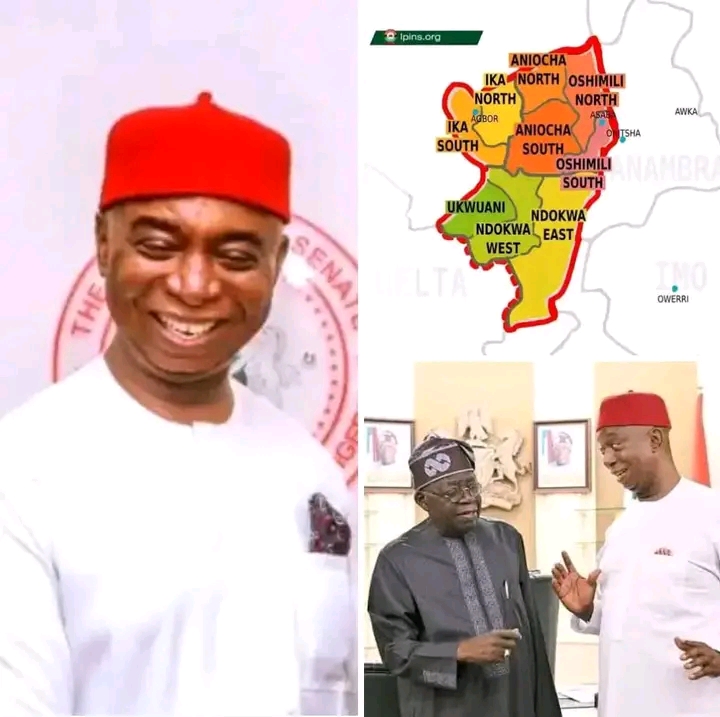
(DDM) – The push for the creation of Anioma State in Nigeria has reignited debates about equity, political representation, and the historical marginalization of the South East. To understand what is happening, it’s important to unpack both the historical context and the contemporary strategies shaping this conversation.
Historically, the South East has been denied the same level of state creation as other regions of Nigeria. While other geopolitical zones have seen multiple additional states carved out to increase political representation and resource allocation, the South East has largely remained constrained to its five existing states. This pattern has fueled a sense of political and developmental imbalance, which continues to influence the calls for Anioma State today.
Currently, discussions about the creation of Anioma State face strategic limitations. Even proponents who advocate for an additional state are often restricted by an unspoken rule: the new state must be carved from the existing five states in the South East. Analysts say this approach effectively keeps the region “in the box,” limiting both its political leverage and its ability to achieve true representation in national governance.
Yesterday’s statement regarding Anioma State is not merely rhetoric. It reflects a long-term plan that has been considered over decades, designed to balance regional interests while maintaining central control over how and where new states are created. This underscores the importance of carefully evaluating who speaks on behalf of Igbo interests. Public officials, including state governors and senators, carry influence, but their proposals must align with the collective aspirations of Ndi Igbo rather than personal political ambitions.
Supporters of Anioma State have increasingly turned their attention to figures like Senator Prince Ned Nwoko, who has positioned himself as a key advocate for the initiative. His efforts are viewed as critical for advancing the cause in a way that addresses the political, cultural, and economic needs of the Igbo people. Advocates argue that backing a unified, strategic approach will maximize the chance of success and prevent fragmented or counterproductive initiatives.
Ultimately, the debate about Anioma State is about more than politics; it is about historical justice and the empowerment of the Igbo people. It requires careful planning, broad consultation, and a focus on collective interests rather than individual ambitions. Advocates urge all stakeholders, political leaders, community groups, and citizens alike, to engage thoughtfully and consistently, ensuring that any decision reflects the long-term welfare of Ndi Igbo.
As a voice from the region, Ochikoro Igbo Onu 1 emphasizes that the interests of the Igbo people must take precedence over personal ambitions. The movement for Anioma State represents a continuation of the South East’s quest for equitable representation and political balance. It is a call for unity, strategic action, and informed advocacy to ensure that the dreams of generations are finally realized.

