


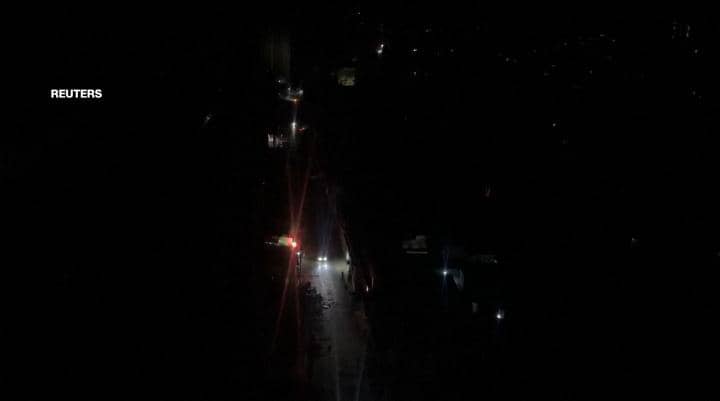
(DDM) – Cuba is facing a deepening national crisis as widespread power outages, fuel shortages, and economic strain continue to disrupt daily life, following what analysts describe as an effective oil blockade imposed by the United States. Nearly three months into the escalating situation, the island nation is grappling with one of its most severe energy crises in decades.
The current crisis has impacted almost every sector of Cuban society. In the capital, Havana, uncollected waste has accumulated on streets, while hospitals have been forced to scale back services, including postponing surgeries due to limited electricity and fuel supplies. Many households have resorted to using firewood for basic needs such as heating water, reflecting the severity of the energy shortage.
At the center of the crisis is a sharp reduction in fuel imports, which has crippled Cuba’s already fragile power generation system. The country relies heavily on imported oil to run its electricity grid, making it highly vulnerable to external supply disruptions. Analysts say the tightening of US sanctions has further restricted Cuba’s ability to access global energy markets, intensifying the crisis.
Miguel Díaz-Canel addressed the nation in a televised briefing, acknowledging the seriousness of the situation while assuring citizens that the government is working to find solutions. However, he cautioned that resolving the crisis would not be quick or easy, given the structural challenges facing the country’s energy and economic systems.

Experts explain that Cuba’s current predicament is the result of a combination of long-standing economic vulnerabilities and recent geopolitical pressures. Years of underinvestment in infrastructure, coupled with reliance on external partners for fuel, have left the country ill-prepared to withstand shocks of this magnitude. The situation has been exacerbated by reduced support from key allies and global market fluctuations.
The social impact of the crisis is becoming increasingly visible. Frequent blackouts have disrupted businesses, education, and healthcare services, while rising living costs have added to the burden on ordinary citizens. Public frustration is also growing, as people struggle to cope with daily hardships and uncertainty about the future.
International observers warn that the crisis could worsen if immediate solutions are not found. Efforts to secure alternative energy supplies or improve domestic production face significant logistical and financial hurdles. Additionally, diplomatic tensions between Cuba and the United States continue to limit the prospects for a swift resolution.
Historically, Cuba has experienced periods of economic hardship, most notably during the “Special Period” of the 1990s following the collapse of the Soviet Union. However, analysts suggest that the current crisis presents unique challenges, given the global economic environment and the country’s limited access to international financial systems.
Looking ahead, experts say Cuba’s recovery will depend on a combination of internal reforms and external support. Without significant changes, the energy crisis could have long-term consequences for the country’s economy and social stability.
As the situation unfolds, the experience of ordinary Cubans underscores the broader human impact of geopolitical tensions, highlighting how policy decisions at the international level can profoundly affect everyday life.


