


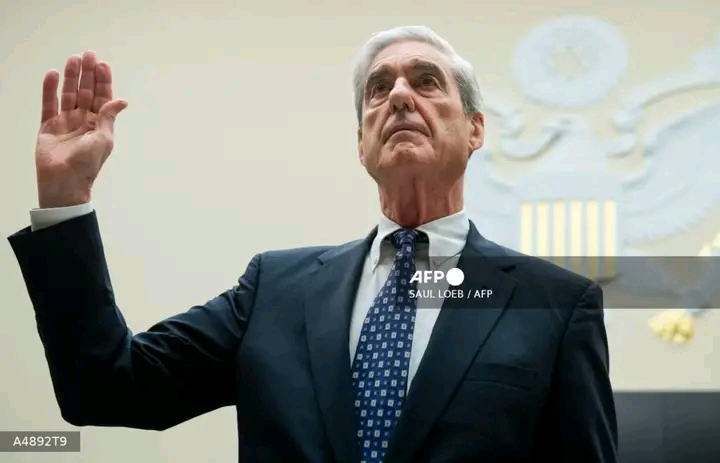
(DDM) — Robert Mueller, the former Federal Bureau of Investigation director who spearheaded the high-profile probe into alleged ties between the Donald Trump 2016 presidential campaign and Russia, has died at the age of 81.
Mueller’s death was confirmed on Saturday by family representatives, marking the end of the life of one of the most prominent figures in U.S. law enforcement and national security.
During his tenure as FBI Director from 2001 to 2013, Mueller oversaw major investigations into terrorism, cybercrime, and national security threats, earning a reputation for integrity and thoroughness.
He later served as Special Counsel for the Department of Justice, leading the investigation into possible Russian interference in the 2016 U.S. presidential election and examining whether members of the Trump campaign colluded with Russian operatives.

The Mueller investigation, formally known as the “Mueller Probe,” produced the Mueller Report in 2019, which detailed evidence of Russian interference and examined potential obstruction of justice by President Trump. The report became a focal point of political debate across the United States and internationally.
Former President Donald Trump acknowledged Mueller’s death in a statement, describing him as “a dedicated public servant” while also reflecting on the contentious nature of their historical interactions during the investigation.
Legal experts and former colleagues praised Mueller’s professionalism, noting his meticulous approach to investigations and unwavering commitment to the rule of law. Many highlighted that despite the political storm surrounding the probe, Mueller remained a figure respected for impartiality and discipline.
Throughout his career, Mueller was known for his calm demeanor, strategic thinking, and long-standing dedication to the FBI’s mission, earning recognition both domestically and abroad.
The former FBI chief also served in the U.S. Department of Justice in various capacities before leading the bureau, shaping policies on counterterrorism and law enforcement reforms that continue to influence U.S. national security frameworks.
Public reactions have poured in from politicians, media analysts, and law enforcement officials, reflecting the impact of Mueller’s career on American governance and the broader global understanding of election security.
Funeral arrangements are expected to be announced in the coming days, with tributes planned by former colleagues, government officials, and members of the legal community.
Mueller’s legacy remains tied to a pivotal moment in U.S. political history, representing the challenges of upholding justice amid intense partisan scrutiny and complex international investigations.
As the nation reflects on his career, Mueller is remembered as a figure of diligence, discipline, and unwavering dedication to public service.




