



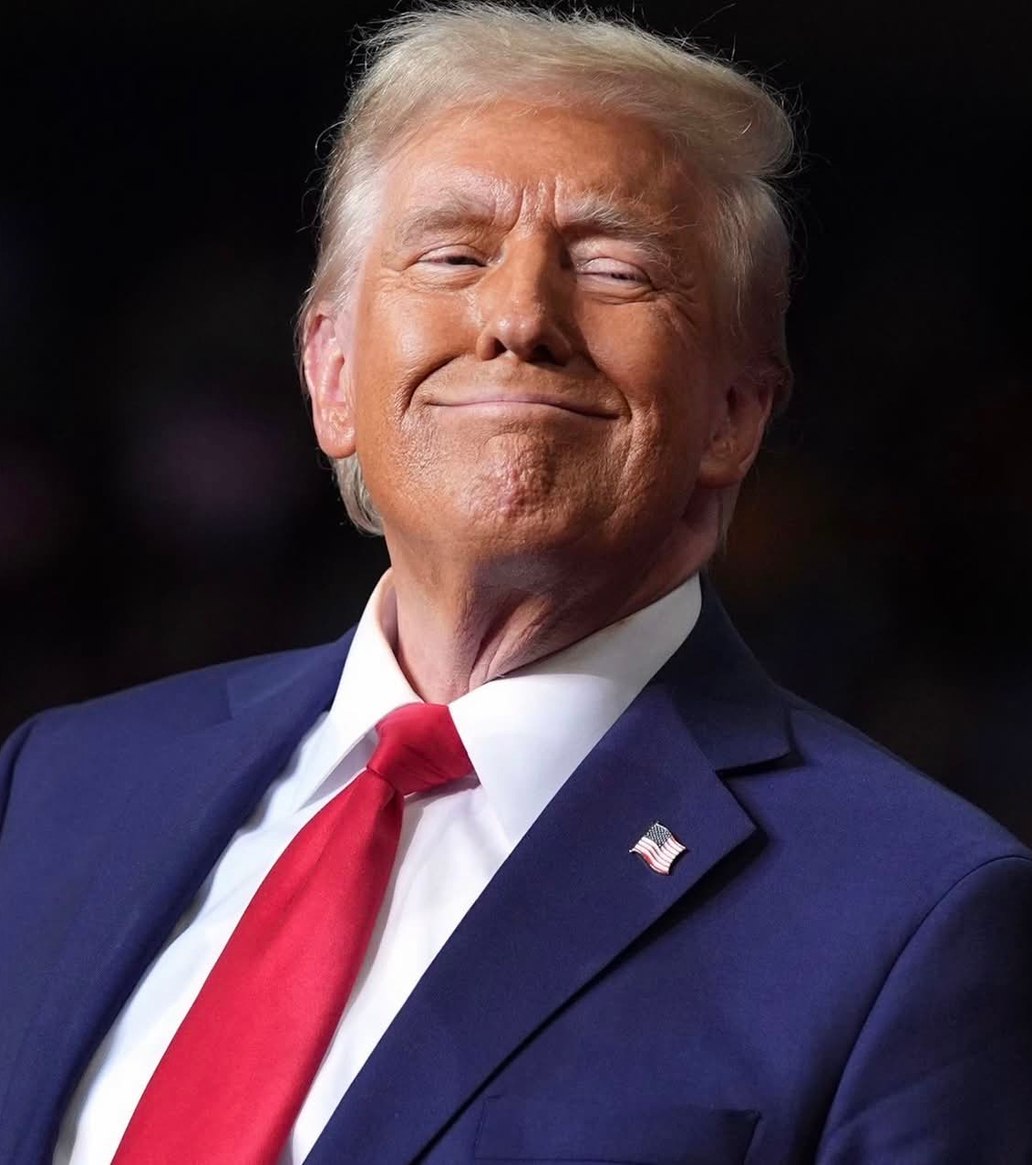
United States President Donald Trump has issued a stern warning to Iran, urging its leadership to engage seriously in negotiations to end the ongoing conflict.
In a post on Truth Social, Trump said, “They better get serious soon, before it is too late.”
He suggested that Iran’s private stance differs from its public statements, claiming that Iranian leaders are “begging” for a deal while publicly claiming they are only “looking at our proposal.”
Iran Denies Negotiations
Iran’s Foreign Minister, Abbas Araghchi, has stated that Tehran currently has “no intention of negotiating” and that no formal talks have taken place.
This contrasts sharply with Trump’s assertion that Iran is privately seeking a resolution.
It could be recalled that DDM reported that Iran said it has not yet formally rejected a United States 15‑point plan aimed at ending the Gulf conflict, even though officials have publicly criticized the proposal.
Senior Iranian sources told Reuters that the plan is still under review, leaving open the possibility of further talks.
Iranian authorities, however, continue to speak harshly about negotiations with Washington.
Top military spokesperson Ebrahim Zolfaqari taunted President Trump on state television, saying, “No one like us will make a deal with you. Not now, not ever.”
Foreign Ministry spokesperson Esmail Beghaei described past U.S. attacks during diplomatic efforts as a “betrayal of diplomacy,” underscoring Tehran’s deep distrust of Washington.
Pakistan, acting as a mediator, delivered the U.S. proposal to Iran and has followed up with Iranian officials.
Turkey has also helped pass messages between the two sides. The U.S. plan reportedly calls for Iran to curb its nuclear program, halt enrichment, reduce ballistic missile activity, and end support for regional militias, while removing highly enriched uranium stocks.
Meanwhile, fighting continues across the region. Iran has launched drone and missile strikes against Israel and U.S. allies, including Kuwait, Jordan, and Bahrain.
Israel has carried out multiple airstrikes targeting Iranian infrastructure, including shipbuilding and submarine facilities.
The conflict is affecting global energy markets. Iran’s control of the Strait of Hormuz has limited oil shipping, pushing prices higher. While some traffic is allowed, vessels from the U.S., Israel, and allied countries face restrictions.
The Pentagon is sending additional troops to the Gulf, including airborne units and Marines, giving the U.S. more options for a potential ground operation.
Israeli officials remain skeptical that Iran will agree to a deal and are closely monitoring U.S. negotiations.
For now, the prospect of talks in Pakistan or Turkey depends on Tehran’s final response, even as violence and tensions continue across the region.




