


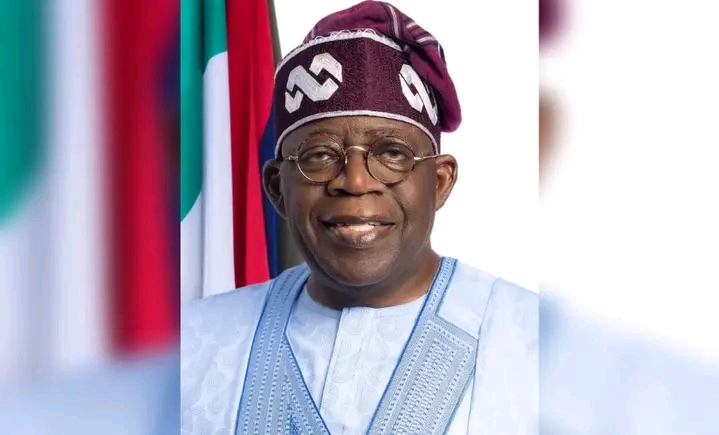
ONDO STATE, NIGERIA – Student leaders across Ondo State have begun mobilising support for the re-election of President Bola Tinubu as political activities gradually intensify ahead of the 2027 presidential poll.
The Minister of Interior, Olubunmi Tunji-Ojo, has spearheaded the mobilisation effort, targeting youths and student communities as key drivers of grassroots political engagement.
He has initiated outreach programmes across tertiary institutions and youth networks within the state, encouraging participation in the political process and support for the ruling All Progressives Congress.
He has framed the mobilisation as part of broader efforts to consolidate the achievements of the current administration and ensure continuity in governance beyond the first term.
He has emphasized the importance of youth involvement in shaping Nigeria’s political future, describing students as critical stakeholders in democratic development.
Political observers say the move reflects early strategic positioning by key figures within the ruling party as preparations for the next electoral cycle begin to take shape.
They note that youth mobilisation has become a central feature of modern political campaigns in Nigeria, given the country’s large and growing young population.
They argue that engaging students at this stage could significantly influence voter sentiment and participation during the 2027 elections.
The development comes as political actors across party lines quietly begin consultations and alliance-building ahead of the All Progressives Congress presidential primary.
Analysts say the ruling party is likely to focus on consolidating its support base while addressing internal dynamics that could shape its primary elections.
Nigeria’s political landscape has historically seen intense competition during party primaries, often determining the eventual outcome of general elections.
The All Progressives Congress, which came to power in 2015, has relied heavily on grassroots mobilisation and strategic alliances to maintain electoral dominance.
Experts recall that youth engagement played a significant role in previous elections, particularly in shaping narratives on social media and influencing public discourse.
They add that political actors now increasingly invest in youth-focused campaigns to strengthen their chances of electoral success.
Critics, however, caution that such mobilisation efforts should go beyond political support and address real issues affecting young Nigerians, including unemployment, education, and economic opportunities.
They argue that without tangible improvements in these areas, political messaging may struggle to resonate with a growing number of disillusioned youths.
Supporters of the mobilisation effort insist that continued engagement will help build stronger connections between government and the younger generation.
They maintain that involving students in political processes fosters civic responsibility and promotes democratic participation.
As preparations for the 2027 elections gradually gather momentum, stakeholders say early mobilisation efforts like this could play a decisive role in shaping the political landscape.
They conclude that the coming months will reveal how effectively political actors can translate youth engagement into sustained electoral support across Nigeria.




