


OpenAI released ChatGPT Images 2.0 with precise text and layouts. Will this new AI model replace graphic designers? Read the verified facts and updates here.
OpenAI officially released ChatGPT Images 2.0 to the global public recently. Shortly after, users on forums like Nairaland started questioning the future of design. Specifically, people want to know if this new software will replace human artists. Following this, we will explore the verified facts behind this major update.
What Makes ChatGPT Images 2.0 Different For Digital Art
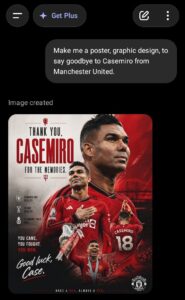
Specifically, the new artificial intelligence system brings major upgrades to digital art. Furthermore, it finally solves the problem of misspelled text inside images. Also, the AI can render clear UI designs and marketing posters. Consequently, creators can now generate highly accurate visuals with minimal effort. In addition, the system handles complex compositions without jumbling the details. This shows that the software truly understands human instructions better now.

Besides that, the new model supports multiple global languages effortlessly. Specifically, it can correctly write text in Hindi, Japanese, and Korean. This means that users worldwide can design native graphics very easily. Moreover, the tool captures specific artistic styles with incredible photorealism. To put it simply, you can ask for cinematic lighting seamlessly. Ultimately, these massive improvements make the software feel like a real coworker.
Will AI Replace Human Graphic Designers Completely?
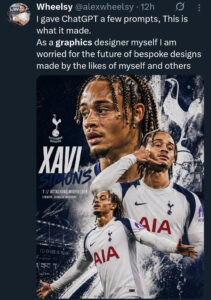
Since then, many professionals have worried about their future design jobs. Specifically, the software can now build coherent storyboards in mere seconds. Moreover, it maintains character consistency across eight different image panels automatically. Because of this, companies might hire fewer junior designers for basic tasks. Even so, experts believe human graphic designers are not going away completely. As a result, the role of a designer will simply evolve soon.
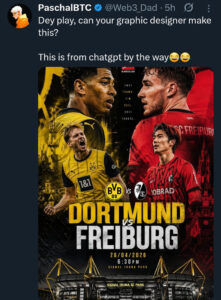
To put it simply, AI still requires human taste and careful prompting. Furthermore, the software cannot strategize an entire brand identity from scratch.
”Images are a language, not decoration. A good image does what a good sentence does it selects, arranges, and reveals.” Official Announcement, OpenAI
This means that human emotion and storytelling remain absolutely vital today. In other words, professionals who learn to use AI will thrive heavily. Overall, this technology acts as a powerful assistant rather than a total replacement.
The New Features Powering AI Image Generation
Meanwhile, OpenAI introduced a groundbreaking “thinking” mode for this specific release. Specifically, this advanced feature allows the AI to search the web first. Following this, the software plans the entire visual layout before drawing anything. Because of this, the generated images look much more realistic and intentional. Also, the system checks its own work to fix any obvious mistakes. Therefore, the final outputs require far less human editing and fixing.
In addition, the platform now supports highly flexible aspect ratios everywhere. Specifically, you can easily create wide banners or tall smartphone wallpapers. On the other hand, older models forced users into rigid square boxes. However, this new update provides total freedom over the final canvas size Consequently, social media managers will find this update incredibly useful daily. Ultimately, these tools save hours of tedious formatting and cropping work.
Addressing The Bugs In The Visual Workflow
Despite this, the new image software contains a few minor flaws. On the other hand, early testers have discovered a few frustrating bugs. Specifically, generating several pictures in one session causes strange grid lines. As a result, the overall image quality drops heavily after five prompts. Therefore, users must refresh their web pages to fix this weird problem. Even so, the development team is actively monitoring these early community reports.
Furthermore, the system still struggles slightly with extremely complex data diagrams. To clarify, very dense scientific charts might still contain minor visual errors. Nevertheless, the developers are actively working to patch these early visual artifacts. In addition, the community is sharing helpful prompt tricks to avoid glitches. This shows that the user base remains highly engaged and incredibly supportive. Overall, the powerful tool still needs some minor technical polishing.
The End Of The DALL-E Era For The Creative Industry
Following this, the massive launch officially marks the end of an era. Specifically, OpenAI announced they will retire DALL-E 3 very soon. Shortly after, the old system will go offline completely on May 12, 2026. Consequently, all global users will transition to the new framework entirely. Moreover, this unified model handles both text and images seamlessly together. To put it simply, the company is simplifying its artificial intelligence ecosystem.
As a result, the new update delivers a much faster user experience. Furthermore, developers no longer need separate systems for different creative tasks. In other words, everything happens smoothly inside one single chat window now. Also, third-party apps using the API must upgrade to the new version. Because of this, we will see better AI tools across the internet. In summary, this retirement paves the way for much smarter creative software.
Ultimately, ChatGPT Images 2.0 represents a massive leap for artificial intelligence. On the other hand, it will not completely destroy the graphic design industry today. Consequently, clever creators will use this technology to work much faster. Following this, we can expect even more powerful design tools tomorrow.




