


IBADAN, OYO STATE, NIGERIA — Former presidential candidate Peter Obi has emphasized the transformative role of sports in shaping identity, discipline, and long-term national development, linking athletic excellence to broader social mobility and youth empowerment.
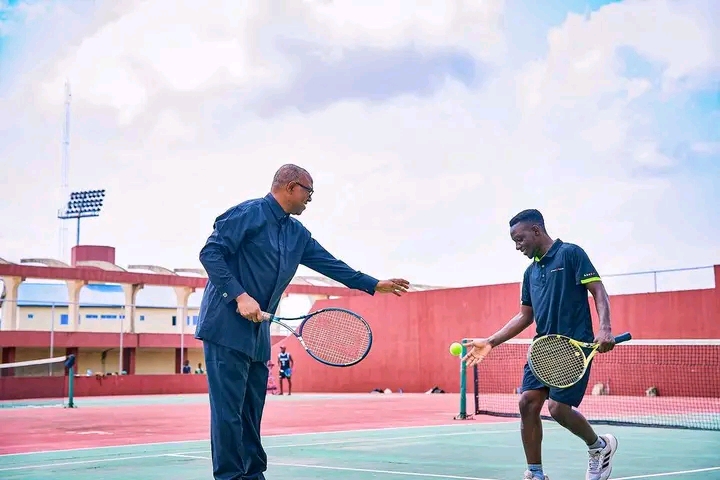
Peter Obi made the remarks on his official handle following a visit to Ibadan, where he arrived early and observed a clean-up exercise taking place around the city environment. During the visit, he parked beside the Lekan Salami Stadium, where he witnessed groups of young people actively engaged in multiple sporting activities, including basketball, lawn tennis, handball, and judo.
The former governor framed the experience as a practical demonstration of how structured sporting environments can shape character and build discipline among young people. He drew historical parallels with global sporting icons such as Pelé and Plato, noting that their widely recognised names were not necessarily their birth names but identities shaped and elevated through achievement and excellence.
By referencing figures like Pelé, born Edson Arantes do Nascimento, Obi underscored a broader argument that sports often function as a platform where individuals redefine themselves through performance, commitment, and public recognition rather than inherited status.

He further observed that the discipline and energy displayed by the youths at the stadium reflected a deeper sense of order and potential, suggesting that such environments could serve as critical spaces for nurturing future leaders, professionals, and innovators.
Obi’s message positioned sports as more than entertainment, describing it as a structured pathway that can influence character formation, social integration, and economic mobility. He argued that when properly supported, sports can become a “lifeline” for young people, particularly those from underserved backgrounds seeking opportunities for advancement.
At the Lekan Salami Stadium, the visible engagement of youths in organised physical activities was presented as an example of what sustained investment in sports infrastructure and community development could achieve. Obi encouraged the participants, reinforcing the importance of discipline, teamwork, and consistency in building both sporting and personal success.
He further suggested that sports should be treated as a strategic sector within national development planning, capable of absorbing youthful energy and converting it into productive social outcomes. In his view, the field of play serves as a training ground where resilience is tested, identity is shaped, and long-term ambition is cultivated.
The remarks also carried a forward-looking tone, aligning with Obi’s recurring message that Nigeria’s youth population represents a major asset if properly harnessed through education, skills development, and structured recreational systems.
His conclusion, “A new Nigeria is possible,” reinforced the broader narrative of optimism tied to youth empowerment and institutional investment in human capital development.
The Ibadan visit therefore positioned sports not only as a cultural activity but as a developmental tool with the potential to influence Nigeria’s social and economic future if given sustained attention and support.




