


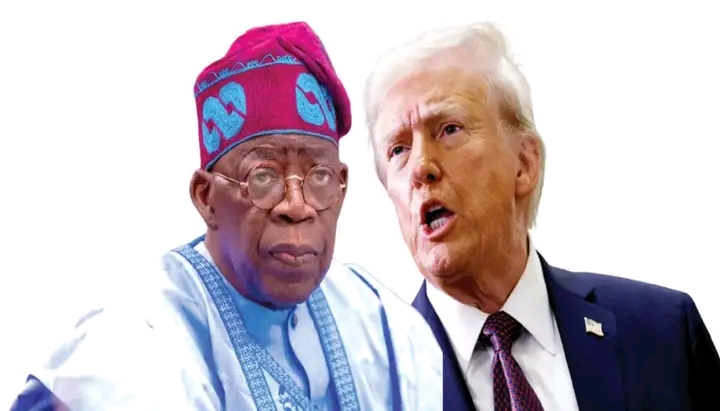
WASHINGTON — Lawmakers in the United States Congress have proposed stricter conditions on financial assistance to Nigeria, including a plan to withhold up to 50 percent of allocated funds until specific security and human rights benchmarks are met.
The proposal centres on concerns over persistent violence in parts of Nigeria, particularly incidents linked to religious and communal tensions that have drawn international attention in recent years.
Under the suggested framework, a significant portion of US financial aid to Nigeria would remain restricted until the government demonstrates measurable progress in addressing these challenges.
The conditions outlined by the lawmakers include the implementation of effective strategies to curb violence, improve protection for vulnerable communities, and strengthen accountability mechanisms within security agencies.

The proposal also calls for enhanced transparency in how funds are utilised, with stricter monitoring and reporting requirements to ensure that assistance is directed toward intended programmes.
In addition, US authorities are urging Nigeria to take concrete steps toward prosecuting individuals responsible for acts of violence, while also improving coordination among security institutions.
The lawmakers emphasized that the conditional funding approach is designed to encourage reforms rather than punish Nigeria, with the aim of ensuring that aid contributes meaningfully to stability and development.
Nigeria has long been a key recipient of US assistance, benefiting from programmes focused on security cooperation, humanitarian support, health initiatives, and economic development.
However, concerns about governance, accountability, and the effectiveness of interventions have led to periodic reviews of aid policies by US policymakers.
The current proposal reflects a broader shift toward performance-based aid, where continued funding is tied to demonstrable outcomes and adherence to agreed standards.
Nigerian authorities have consistently acknowledged the country’s security challenges, pointing to ongoing military operations and policy reforms aimed at addressing insurgency, banditry, and communal conflicts.
Government officials have also stressed the need for sustained international cooperation, arguing that Nigeria’s complex security landscape requires both domestic action and external support.
Analysts note that conditional aid arrangements can influence policy direction, but their effectiveness often depends on the level of engagement and collaboration between donor and recipient countries.
They also warn that withholding funds could have unintended consequences, particularly in areas where aid supports critical services such as healthcare, humanitarian relief, and development programmes.
The proposal is expected to undergo further legislative consideration within the US Congress before any final decision is made on its implementation.
If adopted, the conditions could reshape aspects of US-Nigeria relations, particularly in areas of financial assistance, security cooperation, and diplomatic engagement.
As discussions continue, attention will focus on how both governments navigate the evolving situation and whether the proposed measures lead to tangible improvements in addressing the underlying issues.




