


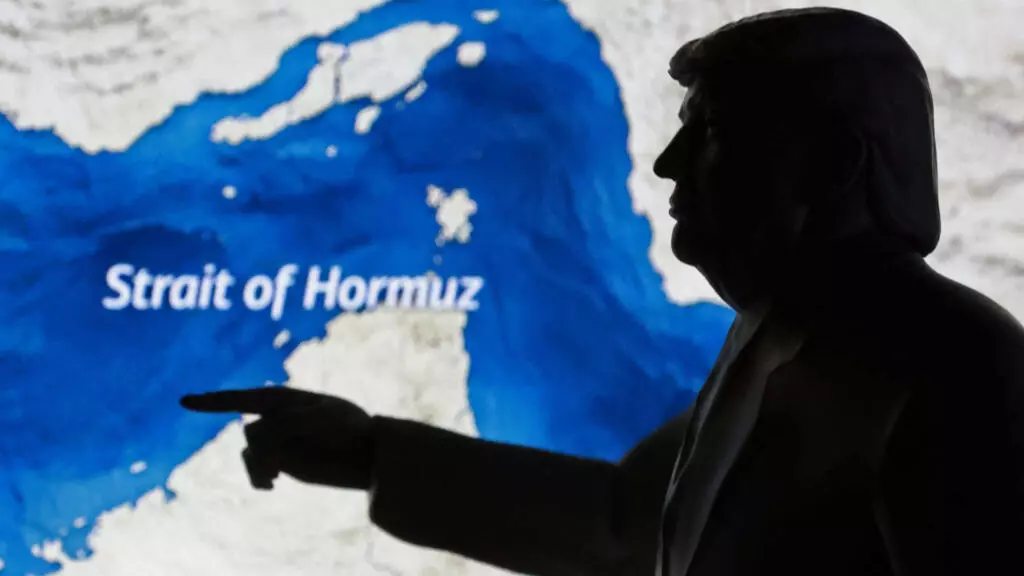
President Donald Trump has warned that the United States could maintain its naval blockade on Iran for months, a move already pushing global oil prices to their highest levels in over four years.
Speaking amid stalled diplomatic efforts with Iran, Trump said the blockade of Iranian ports was proving more effective than direct military strikes.
The restriction has sharply limited Tehran’s ability to export oil, tightening supply in global markets.
U.S. Central Command (CENTCOM) said it had turned away dozens of vessels attempting to breach the blockade, adding that tens of millions of barrels of Iranian crude remain unsold.

The rising tension has rattled energy markets, with benchmark crude prices surging before easing slightly.
Trump is expected to receive fresh military briefings on possible next steps, as Washington weighs its options in the deepening standoff.
The crisis has drawn international concern. During a call with Trump, Russian President Vladimir Putin warned that any escalation involving the United States and Israel could have “damaging consequences.”
At the heart of the dispute is the strategic Strait of Hormuz, a narrow shipping route that carries about a fifth of the world’s oil.
Iran has hinted it could ease pressure on the waterway if the blockade is lifted, but Washington remains sceptical.
Beyond geopolitics, the economic fallout is already being felt.
A United Nations agency warned the conflict could push tens of millions of people into poverty worldwide, as higher fuel and fertiliser costs ripple through global economies.
Inside Iran, the situation is worsening. The national currency has slumped to record lows, while many citizens express growing frustration over the prolonged crisis and the toll of sanctions.
Despite backchannel proposals and shifting signals, both sides remain far apart, leaving the standoff and its global consequences unresolved




